
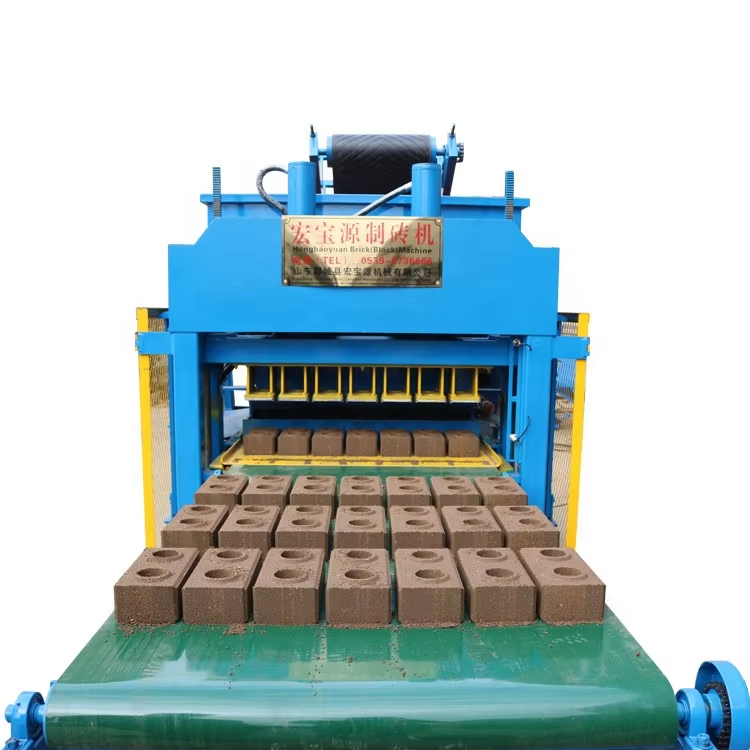
Hindi Maikakailang Tibay ng Block sa Pamamagitan ng Precision Interlock block making machine TEKNOLOHIYA
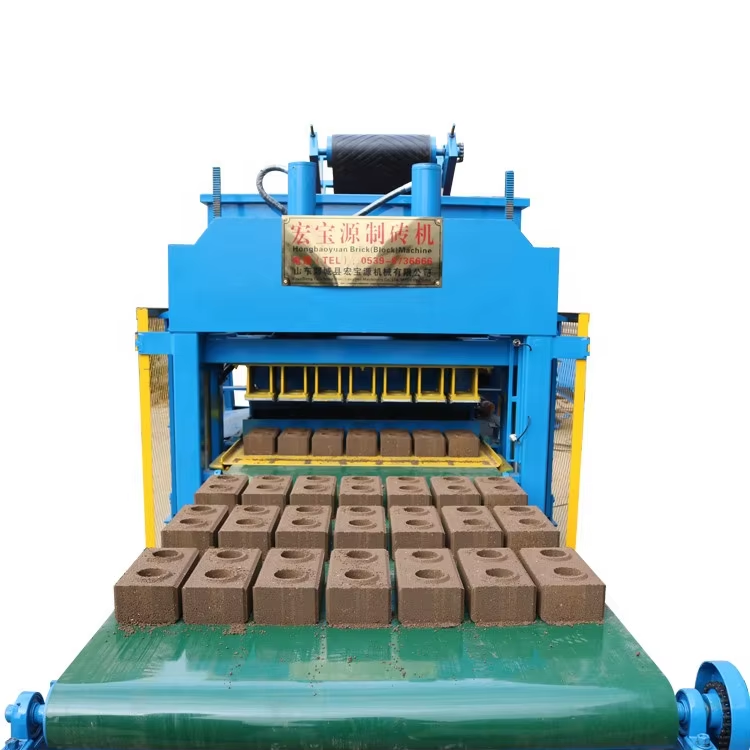
Paano Pinapalakas ng Interlocking na Geometriya at Pare-parehong Compression ang Istukturang Integridad
Ang mga gumagawa ng interlock block ngayon ay nagbibigay ng mas mataas na lakas sa mga block dahil sa dalawang pangunahing inhinyerong paraan: ang eksaktong pagkasya ng kanilang mga interlocking na hugis at ang malakas na presyon na ginagamit habang ginagawa ang mga ito. Ang mga block na gawa sa tongue and groove design ay kumakalat ng bigat sa buong paligid nito imbes na magkaroon ng mahinang bahagi kung saan karaniwang nababagsak ang tradisyonal na brick na may mortar joints pareho sa pahalang at patayong direksyon. Kasabay nito, ang mga makina na ito ay pumipiga sa bawat block gamit ang hydraulic system na umaabot sa higit sa 150 toneladang puwersa habang binubuo ang mga ito, na nagreresulta sa halos parehong density na humigit-kumulang 2,200 kg bawat cubic meter sa buong block. Walang natitirang hangin sa loob o hindi pantay na density na maaaring maging sanhi ng problema kapag tumataas ang presyon sa mga istruktura.
Ang mga pagsusuri na isinagawa sa mga laboratorio ay nagpapakita na ang mga pader na may dry stack interlocked ay kayang tumanggap ng humigit-kumulang 40 porsyento nang higit na shear force kumpara sa karaniwang paraan ng paggawa ng pader gamit ang luwad. Ano ang nagbibigay ng ganitong lakas sa mga pader na ito? Wala silang tradisyonal na mortar joints na madalas maging mahinang bahagi kapag may paggalaw o pagkabagabag. Ang disenyo na ito ay talagang nagpapabuti sa kanilang kakayahang tumayo laban sa mga problema tulad ng paglubog ng lupa, lindol, o pagbabago ng temperatura sa paglipas ng panahon. Sinusuportahan ito ng parehong mga pamantayan ng ASTM C1372 at ISO 21629, na binibigyang-diin na ang pisikal na mekanismong nagkakabit sa mga bloke—imbes na mga pandikit na katulad ng gum—ang siyang nagpapanatili sa matatag na pagtayo ng mga istrukturang ito sa mga darating na taon.
Katumpakan ng Dimensyong Zero-Tolerance: Bakit Pinipigilan ng Pagkakapareho ang Pagbibitak at Pag-aayos
Ang pagkakaroon ng pare-parehong sukat ay hindi lamang isang kagustuhan—ito ay talagang mahalaga kung gusto nating magkaroon ng mga gusali na mananatiling buo at hindi magkakaroon ng di-pantay na pagbaba sa paglipas ng panahon. Ang mga modernong makina para sa interlock block ay napakahusay kapag pinag-uusapan ang tiyak na sukat: panatilihin ang mga sukat sa loob ng halos kalahating milimetro sa lahat ng panig. Ito ay humigit-kumulang tatlong beses na mas tumpak kaysa sa mga lumang paraan na may toleransya na plus o minus 3mm. Kapag ang mga bloke ay tumutugma nang ganito kalapit, sila ay nagsisiksik nang maayos nang walang mga mahinang bahagi kung saan karaniwang nagsisimula ang mga pukyawan kapag may bigat na inilalagay.
Isang pag-aaral mula sa Construction and Building Materials noong nakaraang taon ay natuklasan na kapag ang mga pader ay lumabag ng higit sa 1.5 millimetro mula sa kanilang inilaang sukat, mayroon nang humigit-kumulang 27% na mas mataas na posibilidad na magkaroon ng mga pukyutan sa mga istrukturang nagdadala ng beban. Nangyayari ito dahil nababago ang pamamahagi ng bigat sa iba’t ibang bahagi. Ngayon, ang mga modernong kagamitan ay mahusay na nakakapangasiwa ng mga toleransiyang ito dahil sa mga mold na kontrolado ng kompyuter na eksaktong umaayon, mga sensor na sumusubaybay sa mga vibrasyon habang nangyayari ang mga proseso, at mga sistema na patuloy na sinusuri at ina-adjust ang density ng materyales. Ano ang resulta? Napakaliit na pagkakaiba sa pagitan ng bawat batch—karaniwang nasa ilalim ng 3% na pagbabago sa density, hindi lalampas sa kalahating depekto bawat sentimetro kuwadrado sa mga ibabaw, at pare-parehong mga sukat sa buong proseso ng produksyon.
Ang mga mabibigat na toleransyang ito ay nagpipigil din sa mga mikro-kapareho na pumapasok ng tubig—na nababawasan ang pagkasira dahil sa pagyeyelo at pagtunaw, at ang efflorescence. Ang mga datos mula sa larangan mula sa mga pag-aaral sa buhay na kabanalan ng sibil na inhinyeriya ay nagpapakita na ang mga proyekto na gumagamit ng mga bloke na may interlocking na gawa nang may kahusayan ay nangangailangan ng 90% na mas kaunti ng mga pagkukumpuni sa istruktura sa loob ng 10-taong panahon kumpara sa mga karaniwang ginawang yunit.
Mga Nakikitang Pagtitipid sa Operasyon at Matibay na Pinansyal na ROI mula sa isang Interlock Block Making Machine
Pababa ng Paggamit ng Manggagawa at Pagtaas ng Produksyon: Mula sa Manu-manong Pagmold hanggang sa Ganap na Awtomatikong Produksyon
Ang pagpapakilala ng mga awtomatikong makina para sa paggawa ng interlock block ay lubos na binago ang ekonomiya ng produksyon ng mga block. Tingnan ang tradisyonal na mga setup kung saan humihirap ang mga 15 manggagawa upang gumawa ng humigit-kumulang 500 block bawat araw. Ngayon, ihambing ito sa kakayahan ng isang modernong makina na may tatlong operator lamang. Ang mga sistemang ito ay regular na nakakagawa ng higit sa 3,000 block kada araw. Ito ay humigit-kumulang anim na beses na output kumpara sa lumang pamamaraan, samantalang binabawasan nito ang pangangailangan sa lakas-paggawa ng humigit-kumulang 60%. Ano ang nagpapahintulot dito? Ang mga makina ay nangangasiwa sa lahat—mula sa paghalo ng mga materyales hanggang sa pagkompak nila nang sabay-sabay. Nagpapagalaw din sila ng mga mold nang patuloy at walang paghinto. Lahat ng mga katangiang ito ay sama-samang nagpapababa ng mga pagkakamali ng tao at nagpapabawas ng basurang materyales nang malaki—mga 15% na mas kaunti kumpara sa mga lumang teknik.
Mahalaga, ang kalayaang kapasidad ng paggawa ay maaaring i-redeploy sa mga tungkulin na nagdaragdag ng halaga: real-time na pagpapatunay sa QA, koordinasyon ng logistics, o suportang teknikal—na lalong pinapalakas ang kontrol sa kalidad at pagiging maasahan sa mga customer nang hindi nadaragdagan ang bilang ng empleyado.
Ebidensya mula sa Kaso: 5-Taong Pagsusuri sa ROI ng mga Sistema ng isang Nangungunang Manufacturer
Ang isang pangmatagalang pagsusuri sa mga mid-sized na tagagawa na nag-deploy ng awtomatikong interlock block making machines ay nagpakita ng median na panahon ng pagbabalik (payback) na wala pang 24 na buwan at limang taong ROI na lampas sa 25%. Ang mga pangunahing salik ay kinabibilangan ng:
- Pagtaas ng Produksyon : $280,000/bawat taon mula sa nabawasang bilang ng kawani at overtime
- Pag-optimize ng materyal : 15% na mas kaunti ang basurang aggregate at binder dahil sa tiyak na volumetric dosing
- Mga pagtaas sa uptime : 30% na mas mataas na operational utilization kumpara sa mga manual na proseso, na pinapagana ng mga alerto para sa predictive maintenance at auto-calibration
Ang kabuuang netong kita ay naging $1.2 milyon bawat pasilidad sa loob ng limang taon. Bukod sa mga direktang sukatan ng gastos, ang pare-parehong kalidad ng mga bloke ay nag-elimina ng mga pagkaantala sa proyekto na dulot ng pag-uulit ng trabaho sa field, pagwawasto ng settlement, o pagtanggi sa mga yunit na hindi sumusunod sa pamantayan—na nagpalakas sa ugnayan sa mga kontraktor at pabilis sa siklo ng paulit-ulit na pag-order.
Kakayahang Mag-adyust sa Produksyon at Epekto ng Kawastuhan sa Konstruksyon Gamit ang Isang Interlock Block Making Machine
Pangkalahatang Paglipat sa Pagitan ng Paver, Wall, at Drainage Block Profiles Nang Walang Pagkaantala Dahil sa Pagpapalit ng Tooling
Ang tunay na kakayahang magbago ng produksyon ay nakasalalay sa kakayahang baguhin ang mga profile nang mabilis at paulit-ulit nang hindi nawawala ang katiyakan. Ang pinakabagong mga gumagawa ng interlock block ay nakakamit ito gamit ang kanilang modular na mold system na maaaring agad na i-release at palitan. Ang mga operator ay maaaring lumipat mula sa paggawa ng karaniwang paver stone patungo sa mga istruktural na pader o kahit sa mga espesyal na drainage block sa loob lamang ng sampung minuto. Ihalintulad ito sa mga lumang paraan kung saan ang pagbabago ng mga mold ay tumatagal ng dalawa hanggang tatlong buong oras dahil kailangang buong-buo pang tanggalin ang lahat bago ito muling maayos na isama muli. Tinutukoy nito ang pagbawas ng setup time ng halos 95%, na nagdudulot ng malaking pagkakaiba kapag sinusubukan na panatilihin ang tuloy-tuloy na produksyon araw-araw.
Ang dahilan ng kahanga-hangang bilis na ito ay nasa ilang salik na gumagana nang sabay-sabay. Una, mayroon tayong mga standard na interface para sa pag-mount na nagpapabilis at nagpapalakas ng proseso ng pag-setup. Pangalawa, mayroon tayong laser alignment para sa tamang posisyon ng cavity, na nagsisigurado na ang lahat ay naka-align nang tama sa bawat pagkakataon. At huwag kalimutang isama ang mga pre-programmed na setting para sa compaction na partikular na idinisenyo para sa iba't ibang uri ng block. Lahat ng mga elemento na ito ay gumagana nang husto at magkasabay upang mapanatili ang mahigpit na dimensional tolerances sa loob ng ±0.8 mm habang pinapanatili ang integridad ng interlock geometry sa loob ng higit sa 200,000 na production cycles. Sinusuportahan din ito ng mga independent na pagsusulit na sumusunod sa parehong EN 1338 at ASTM C936 na pamantayan. Kung gumagawa man tayo ng permeable pavers na nagpapahintulot sa tubig na dumaloy sa kanilang kabila o ng heavy-duty retaining walls na kailangang tumagal sa presyon, ang mga makina ay nagbibigay ng pare-parehong resulta sa bawat cycle nang walang anumang problema.
Kapag pinagsasama ng mga kontraktor ang iba't ibang linya ng produkto sa isang solong platform, maaari nilang makatipid ng humigit-kumulang 60% sa paunang gastos para sa kagamitan, bawasan ang kanilang espasyo sa pagmamanupaktura ng humigit-kumulang 40%, at alisin ang lahat ng sobrang imbentaryo para sa mga kopyang hulma at mga sangkap na pampalit. Ngunit ang tunay na halaga nito ay ang kakayahang umangkop na ibinibigay nito sa kanila. Maaari nilang baguhin ang produksyon mula sa paggawa ng mga pader na tumitindig laban sa lindol para sa mga proyektong pang-infrastraktura sa isang linggo tungo sa paggawa ng mga dekoratibong paving block na nakakapangasiwa ng daloy ng tubig mula sa ulan para sa mga proyektong panlungsod sa susunod na linggo, nang walang anumang pagkaantala o pagbaba sa antas ng kalidad. Ang ganitong uri ng kakayahang umangkop ay nagdudulot ng malaking pagkakaiba sa paraan ng pagpapatakbo ng mga negosyo sa kasalukuyan.
Madalas Itanong
Ano ang pangunahing mga benepisyo ng paggamit ng makina sa paggawa ng interlock block?
Ang mga makina sa paggawa ng interlock block ay nagpapabuti ng tibay ng mga block sa pamamagitan ng tiyak na geometry ng interlocking at pare-parehong compression. Binabawasan nito ang mga gastos sa paggawa, pinahuhusay ang kahusayan sa produksyon, at nagbibigay ng kakayahang umangkop sa pagbabago ng mga profile ng produksyon nang walang anumang pagkaantala dahil sa pagpapalit ng mga kagamitan.
Paano ginagarantiyahan ng isang interlock block making machine ang pantay na kalidad ng mga bloke?
Ginagamit ng mga makina na ito ang mga mold na kontrolado ng kompyuter, mga sensor upang subaybayan ang mga vibration, at mga sistema upang suriin ang density ng materyal, na nagpapagarantiya sa pare-parehong sukat at density ng mga bloke.
Anong uri ng pagtitipid sa operasyon ang maaasahan sa isang interlock block making machine?
Kasama sa karaniwang pagtitipid sa operasyon ang malaki ang naititipid sa paggawa, nabawasan ang basurang materyal, at nadagdagan ang output. Maaari ring makamit ang positibong return on investment sa loob ng dalawang taon dahil sa nadagdang produktibidad at nabawasang overhead costs.
Kaya bang gamitin ng mga makina na ito ang iba't ibang profile ng bloke nang mahusay?
Oo, ang mga modernong interlock block making machine ay maaaring pabagu-bago nang maayos sa pagitan ng iba't ibang profile ng bloke—tulad ng paver, wall, at drainage blocks—nang walang malaking downtime.
Talaan ng mga Nilalaman
- Hindi Maikakailang Tibay ng Block sa Pamamagitan ng Precision Interlock block making machine TEKNOLOHIYA
- Mga Nakikitang Pagtitipid sa Operasyon at Matibay na Pinansyal na ROI mula sa isang Interlock Block Making Machine
- Kakayahang Mag-adyust sa Produksyon at Epekto ng Kawastuhan sa Konstruksyon Gamit ang Isang Interlock Block Making Machine
-
Madalas Itanong
- Ano ang pangunahing mga benepisyo ng paggamit ng makina sa paggawa ng interlock block?
- Paano ginagarantiyahan ng isang interlock block making machine ang pantay na kalidad ng mga bloke?
- Anong uri ng pagtitipid sa operasyon ang maaasahan sa isang interlock block making machine?
- Kaya bang gamitin ng mga makina na ito ang iba't ibang profile ng bloke nang mahusay?