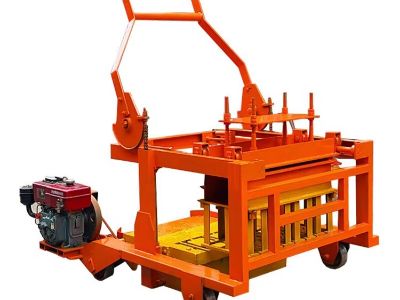
When considering a laying brick machine for automated masonry construction, several factors come into play for B2B buyers, such as quality, cost, and supplier reliability. These machines, which automate the process of laying bricks, are crucial for enhancing efficiency in construction projects. This article will guide purchasing managers, engineers, and product managers through the essential considerations for selecting a laying brick machine supplier, evaluating machine quality, comparing costs, addressing common issues, and understanding the technological advantages of interlocking brick systems.
What to Consider When Choosing a Laying Brick Machine Supplier?
Selecting the right supplier for a laying brick machine is critical to ensuring project success. Key factors to consider include the supplier's manufacturing capabilities, experience, and product variety. A reputable supplier, like Tancheng County Hongbaoyuan Machinery Co., Ltd, should have a proven track record in producing high-quality interlocking brick machines and concrete block-making machines.
Buyers should evaluate the supplier’s production equipment and quality control processes, as these directly impact the consistency and reliability of the Interlocking Brick Machine. Additionally, consider the supplier's export markets and customer feedback, which can provide insights into their reputation within the industry. Always ask for references or case studies that demonstrate the supplier's experience with similar projects.
Furthermore, assess their customization capabilities. Many construction projects require specific machine configurations to meet unique site demands. A flexible supplier can adapt their products to suit these requirements, which can save time and reduce costs in the long run.
Evaluating the Quality of Laying Brick Machines for Bulk Orders
Quality assurance is paramount when it comes to laying brick machines, especially for bulk orders. Buyers should consider factors such as material specifications, machine durability, and the technology used in production. The materials used in constructing the machines should be robust enough to withstand continuous operation under demanding conditions.
It's advisable to request detailed product specifications, including dimensions, weight, and performance parameters. Understanding these specifications helps ensure that the Medium block making machine will meet the operational needs of your construction projects.
Additionally, a thorough quality control process is essential. Buyers should inquire about the supplier’s testing procedures, including any certifications that verify the machines meet industry standards. A supplier with a strong quality assurance program will often provide samples for approval before mass production, allowing buyers to inspect and assess the machine's performance firsthand.
How to Compare Cost Factors for Laying Brick Machines?
When comparing costs for laying brick machines, several factors come into play beyond the initial purchase price. First, consider the total cost of ownership, which includes maintenance, operational efficiency, and potential downtime. A machine that may be more expensive initially but offers better durability and efficiency can lead to cost savings in the long run.
Evaluate the minimum order quantity (MOQ) requirements, as this can impact your overall budget. Some suppliers may offer better pricing structures for larger orders, while others might have more flexible MOQ terms.
It's also essential to factor in shipping and packaging costs, especially if you are sourcing machines internationally. The logistics of transporting heavy machinery can significantly affect overall costs. Make sure to discuss these aspects with potential suppliers to get a comprehensive understanding of the total expenditure required.
Common Problems with Laying Brick Machines and Their Solutions
Despite advancements in technology, laying brick machines can experience a variety of issues. Common problems include mechanical failures, calibration inaccuracies, and material compatibility challenges.
For instance, mechanical failures may arise from wear and tear on moving parts. Regular maintenance schedules and proper operator training can mitigate these risks. Buyers should inquire about the supplier's support services, including maintenance and repair options.
Calibration inaccuracies can lead to improper brick placement. To address this, it’s crucial to have precise setup instructions and a reliable calibration process. Suppliers should provide comprehensive manuals and training resources to ensure operators can correctly set up and adjust the machines.
Material compatibility is another point of concern. Buyers should ensure that the machine can handle the specific type of bricks or blocks they plan to use. Discussing these requirements with suppliers can help identify potential compatibility issues before they impact production.
Understanding the Advantages of Using Interlocking Brick Technology
Interlocking brick technology presents several advantages for automated masonry construction. This method enhances structural integrity, reduces the need for mortar, and speeds up the construction process. The interlocking design allows for better alignment and stability, making structures more resilient to environmental stresses.
Additionally, interlocking bricks are often made from locally sourced materials, reducing transportation costs and environmental impact. This can be particularly beneficial for projects in remote locations where traditional building materials may be challenging to obtain.
Moreover, using an automated laying brick machine designed for interlocking systems can improve labor efficiency. With the right machine, fewer workers are required on-site, leading to a more streamlined operation. Buyers should consider these benefits when evaluating the technology and capabilities of different laying brick Small Concrete Block machine, as they can significantly impact overall project success and sustainability.
In summary, selecting the right laying brick machine involves careful consideration of supplier capabilities, machine quality, cost factors, common operational challenges, and the advantages of interlocking brick technology. By addressing these considerations, B2B buyers can make informed decisions that enhance their construction processes and project outcomes.
Table of Contents
- What to Consider When Choosing a Laying Brick Machine Supplier?
- Evaluating the Quality of Laying Brick Machines for Bulk Orders
- How to Compare Cost Factors for Laying Brick Machines?
- Common Problems with Laying Brick Machines and Their Solutions
- Understanding the Advantages of Using Interlocking Brick Technology