
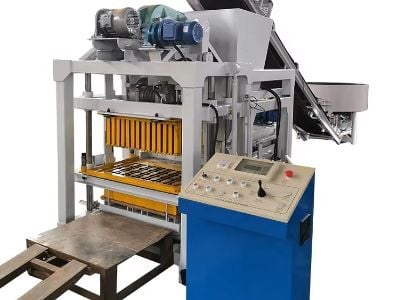
Industrial block making machinery is essential for concrete product manufacturers looking to streamline their production processes and improve product quality. With the growing demand for durable and sustainable construction materials, selecting the right machinery becomes a critical decision. This article aims to address key concerns of purchasing managers and other B2B buyers by outlining important considerations, specifications, quality evaluation methods, installation guidelines, and purchasing tips specifically related to industrial block making machinery.
What to Consider When Choosing Industrial Block Making Machinery?
When evaluating industrial block making machinery, buyers should focus on several critical factors. Firstly, the type of products you plan to manufacture should guide your choice of machinery. For instance, interlocking bricks require different specifications compared to standard concrete blocks.
Secondly, consider the production capacity of the machine. This capacity must align with your business goals and market demands. A machine with a higher output may be beneficial for larger operations, while smaller firms may prioritize flexibility over sheer volume.
Another significant factor is the level of automation. Fully automated Concrete Block Making Machines can reduce labor costs and improve efficiency, but they may come with higher upfront costs. Semi-automated or manual options may be more suitable for smaller businesses or those just starting.
Lastly, ensure the machinery complies with local regulations and safety standards. This compliance not only protects your investment but also promotes a safer working environment.
Key Specifications for Concrete Block Making Machines
Understanding the specifications of industrial block making machinery is crucial for making an informed purchase. Key parameters to consider include:
Molding Capacity: This determines how many blocks can be produced in a single cycle. Machines with adjustable molding sizes can cater to various product dimensions.
Power Consumption: Energy-efficient machines can significantly lower operational costs. Assess the power requirements and compare them against your energy expenses.
Hydraulic System: Look for Small Concrete Block machine with robust hydraulic systems that ensure consistent pressure and quality during the molding process. This impacts the density and durability of the produced blocks.
Material Compatibility: The machinery should be adaptable to various raw materials, including different types of concrete mixes. This flexibility is essential for meeting diverse customer needs.
Control System: An advanced control system can enhance production efficiency and reduce errors. Check for features such as programmable logic controllers (PLC) that allow for precise operation and monitoring.
How to Evaluate the Quality of Block Making Machinery?
Evaluating the quality of block making machinery involves a comprehensive assessment of both the machine and the manufacturing processes. Here are key points to consider:
Material Quality: Examine the materials used in the construction of the machinery. High-quality steel and components typically indicate greater durability and longevity.
Certification and Compliance: Verify if the machinery adheres to international quality standards such as ISO certifications. This adherence often reflects the manufacturer's commitment to quality.
Warranty and Support: A good warranty and reliable after-sales support can be indicators of the manufacturer's confidence in their product. Ensure that the supplier offers accessible technical support for installation and maintenance.
User Reviews and Case Studies: Research feedback from existing users in similar industries. Case studies detailing the performance of the Interlocking Soil Brick Making Machine over time can provide insights into its reliability and efficiency.
Sample Production: Request to see sample blocks produced by the machinery. This firsthand evaluation can reveal the quality of the blocks and the machine's operational consistency.
Installation Guidelines for Industrial Block Making Equipment
Proper installation of industrial block making machinery is vital for ensuring optimal performance. Here are some guidelines to follow:
Site Preparation: Ensure the installation site is well-prepared, level, and capable of supporting the machine's weight. Consider the layout for efficient workflow and safety.
Utility Connections: Confirm that all necessary utility connections, including electricity, water, and compressed air (if applicable), are properly installed and accessible.
Alignment and Calibration: During installation, the machine must be aligned correctly to optimize production efficiency. Follow the manufacturer’s guidelines for calibration to ensure accuracy in block production.
Training for Operators: Provide comprehensive training for machine operators. Proper understanding of the machinery's functionalities, safety protocols, and maintenance routines is essential for seamless operation.
Initial Testing: Conduct initial tests with the machinery using the intended raw materials. This testing phase allows for adjustments and ensures that the machinery operates as expected before full-scale production begins.
Wholesale Purchasing Tips for Concrete Product Manufacturers
For concrete product manufacturers looking to purchase industrial block making machinery in bulk, here are practical tips to consider:
Request Detailed Quotations: When reaching out to suppliers, provide specific details about your requirements, including the type of blocks you wish to produce, expected output, and any customization needs. Detailed quotations will help you compare offers effectively.
Consider Total Cost of Ownership: Look beyond the initial purchase price. Evaluate long-term costs including maintenance, energy consumption, and potential downtime. A slightly higher initial investment may lead to better savings over time.
Minimum Order Quantities (MOQ): Understand the supplier's MOQ for machinery and any associated parts. This knowledge can help you manage your budget and inventory effectively.
Shipping and Delivery Terms: Discuss shipping options, delivery timelines, and any potential customs regulations if sourcing from overseas. Make sure you understand the total timeline from order to installation.
Follow-Up Support and Training: Before finalizing your purchase, confirm the level of support and training the supplier will provide post-installation. Having access to qualified technicians can mitigate operational issues and enhance productivity.
By following these considerations and tips, concrete product manufacturers can make informed decisions when investing in industrial block making machinery that not only meets their production needs but also supports their business growth.