
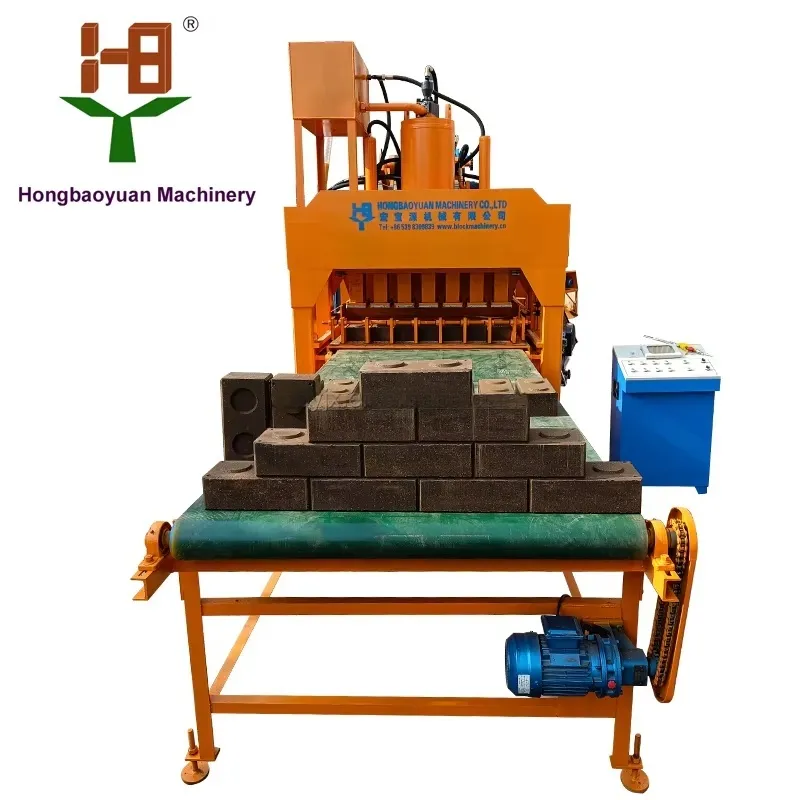
Boosting Construction Efficiency with Automated Interlock Block Making Machines
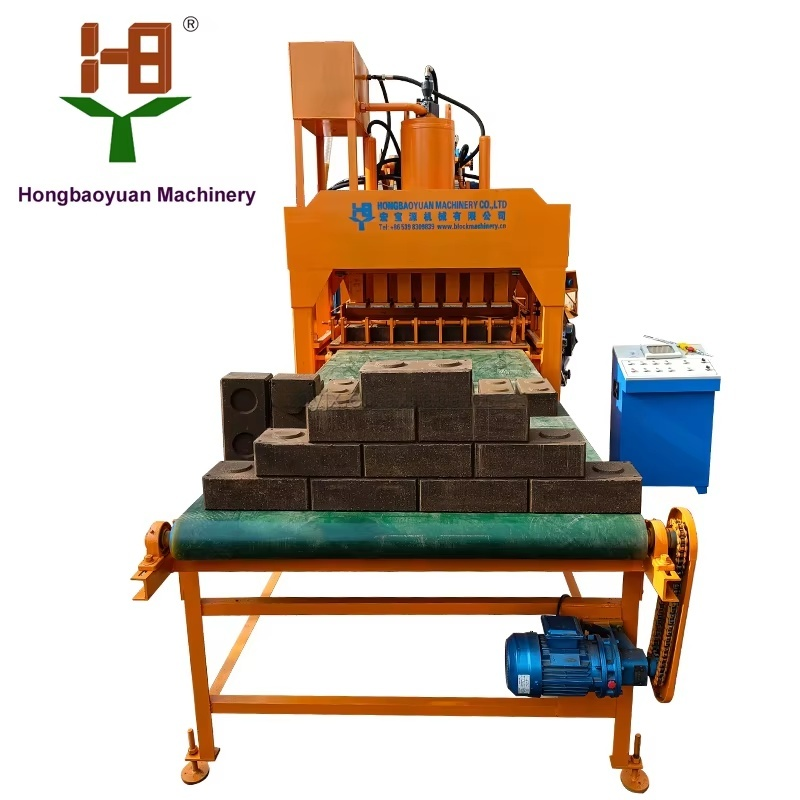
65% Faster Cycle Times Through Fully Automated Production
Interlock block making machines that run fully automated can cut down cycle times by around 65 percent compared to their semi automatic counterparts because they don't need anyone to handle materials manually. With conveyors built right in and robotic arms doing all the work, these systems just keep going non stop. Some models actually produce as many as 2000 blocks each hour straight through without needing breaks or workers stepping in. The constant production really helps speed things along on construction projects, so materials arrive at job sites exactly when needed for different phases of work. While operators watch how everything runs, special sensors take care of keeping the right amount of vibration and pressure during each compaction cycle, which is crucial for quality blocks.
Reduced Labor Dependency and Mitigated On-Site Delays via Integrated Batch Processing
Using automated batch processing cuts down on manpower needs by around 70 percent and keeps those frustrating on site delays from happening. We've got these integrated weighing systems working alongside computer controlled mixers that keep everything consistent throughout each batch run. No more guessing games or having to manually fix things when they go wrong. The machinery itself handles the sequencing for various block types, so we can get exactly what's needed right when it's needed. When manufacturing lines up perfectly with what's going on at the construction sites, there's no waiting around for materials to arrive. This really matters big time for major infrastructure jobs where time is money and deadlines are non negotiable.
Ensuring Consistent, High-Strength Output from Every Interlock Block Making Machine
Precision Hydraulic Control Delivers ±0.5mm Dimensional Accuracy at Scale
Modern hydraulic systems keep consistent compaction pressure during manufacturing runs, hitting dimensional specs around ±0.5mm even when producing large quantities of blocks. Such tight control means the blocks fit together perfectly without needing mortar, which cuts down on labor time significantly. Traditional approaches typically have about ±3mm tolerance variations, so this level of consistency actually saves around 19% in materials while still allowing for intricate designs in buildings. What makes it work? The closed loop pressure system adjusts itself whenever there's a change in material density, ensuring each block comes out looking just like the one before it regardless of what's going on in the production line.
Optimized Material Mixing and Curing Increases Compressive Strength by 22% (ASTM C140)
Modern computer controlled batching systems keep tight control on water cement ratios and mix proportions for aggregates. At the same time, automated curing chambers maintain just the right temperature and moisture levels throughout the process. Putting all these together makes a big difference in quality. The average compressive strength hits around 22.4 MPa which is about 22 percent better than what we see with traditional hand mixing methods according to ASTM C140 standards. When concrete cures properly without drying out too fast or developing tiny cracks, it ends up denser and lasts much longer. Field tests that speed up the aging process show these blocks should hold up well for at least three decades even when supporting heavy loads in buildings and infrastructure projects.
Adapting to Diverse Project Needs: Mold Flexibility and Design Versatility
Modular Mold Systems Enable Seamless Switching Between Interlocking, Paving, and Hollow Block Configurations
Today's interlock block makers rely on modular mold setups that basically stop production losses when switching products. With precision parts built right in, workers can tweak block sizes and patterns in just a few minutes flat. They can go from interlocking blocks to paving stones or even hollow blocks without needing different machines altogether. Talk about cost savings! These adaptable systems save around 40% on upfront costs compared to buying separate machines for each job, plus they keep measurements spot on within half a millimeter across every design variation. Contractors love the standardized mold connections because they can jump right into new projects whenever specs change. Whether it's small walkways for homes or heavy duty paving for shopping centers, everything gets done on the same production line. And there's something else worth mentioning: those tool-free changeovers cut down on retooling work by about three quarters. Less time spent adjusting means better material efficiency and deliveries happen when promised, all while keeping the blocks structurally sound.
Real-World Impact: Case Evidence of Interlock Block Making Machine Performance
The numbers keep coming in showing how much better things get when we start using those interlock block makers on construction sites. Most projects finish anywhere between 40 to maybe even 60 percent faster than before because they can crank out blocks so much quicker without waiting around for them to cure properly. Take this big road project down south where they switched from laying bricks by hand to using those automated machines. Labor costs dropped by almost half while still keeping everything solid since the blocks hit that 22 MPa mark for strength. Waste has gone down too, somewhere around 15% less material going to landfills thanks to better mixing ratios and tighter control over compaction during manufacturing. And let's not forget about all that time saved by cutting out mortar altogether. Contractors say assembly speeds jump by as much as 70% compared to old school methods. No wonder nearly four out of five builders surveyed last year are jumping on board with automated block production these days. With building codes starting to lean toward interlocking systems for earthquake resistance anyway, it seems pretty clear these machines aren't just passing fads anymore but essential tools for anyone serious about getting quality work done within budget constraints.
Frequently Asked Questions (FAQ)
What is an interlock block making machine?
An interlock block making machine is a device designed to fabricate blocks that connect without the use of mortar, enhancing construction efficiency.
How does automation improve block production?
Automation significantly reduces manual involvement, speeds up cycle times, and maintains consistent quality, leading to more efficient production and reduced labor dependency.
What benefits does hydraulic control offer?
Hydraulic control ensures precise dimensional accuracy and compaction pressure, resulting in high-quality, structurally sound blocks that fit perfectly.
Table of Contents
- Boosting Construction Efficiency with Automated Interlock Block Making Machines
- Ensuring Consistent, High-Strength Output from Every Interlock Block Making Machine
- Adapting to Diverse Project Needs: Mold Flexibility and Design Versatility
- Real-World Impact: Case Evidence of Interlock Block Making Machine Performance