
Cement Block Making Machine Efficiency: Higher Output, Faster Cycle Times, Lower Labour Costs
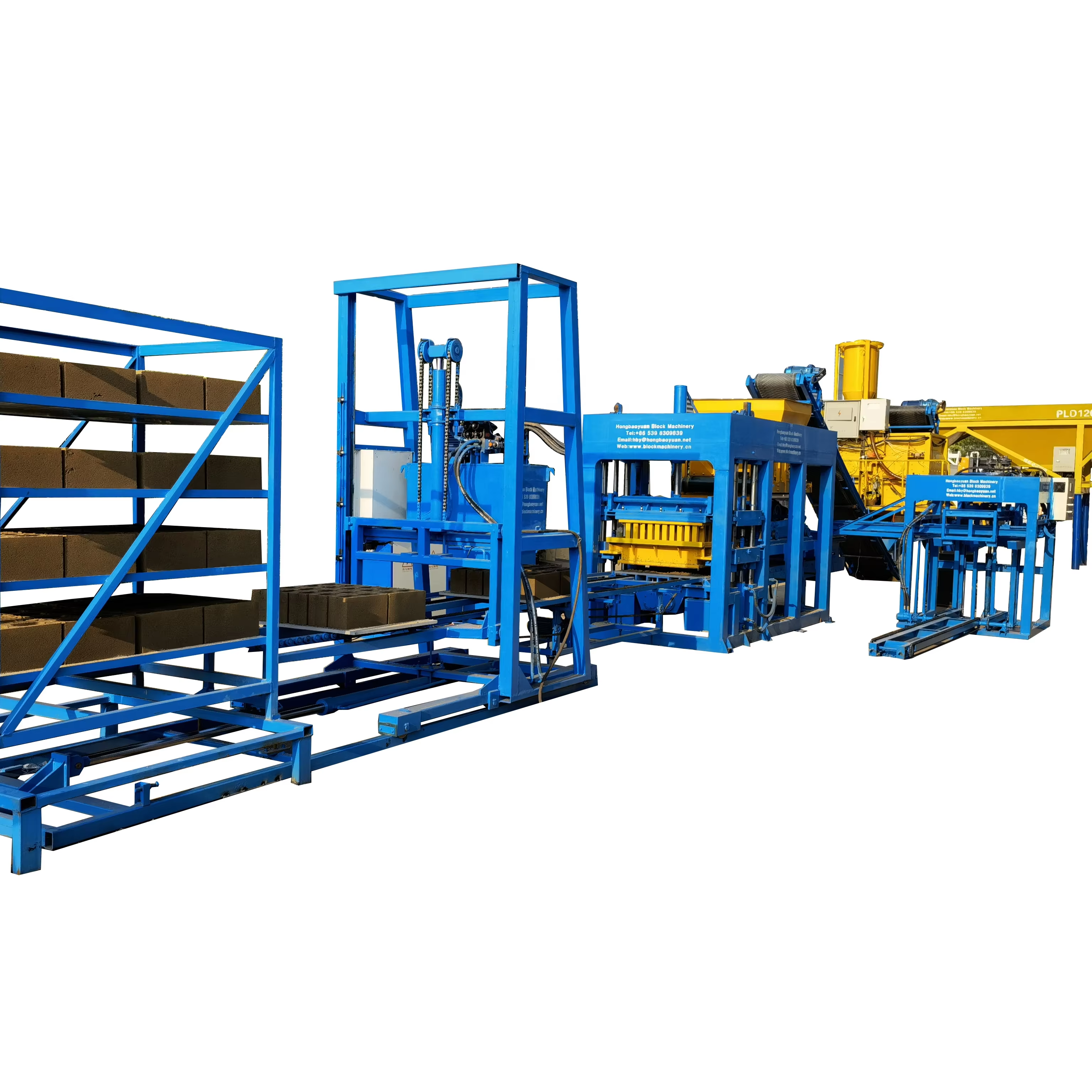
Output volume and production speed: From 500–2,000 blocks/day (manual vs. semi-auto vs. fully automatic)
Today's cement block makers come in different levels of automation that let producers scale their operations as needed. The old fashioned way only gets about 500 blocks made each day but takes a lot of manual work. When companies upgrade to semi automatic equipment, they can crank out between 1000 and 1500 blocks daily because parts like mixing, shaping, and releasing are partially handled by machines. Fully automatic systems take things even further, hitting around 2000 blocks per day thanks to features like hydraulic pressure systems, vibrating compaction technology, and continuous operation controls. These improvements mean projects finish much faster than before, cutting down timeframes by roughly 40 to 60 percent compared to traditional approaches. Plus, the ability to produce on demand reduces how much inventory needs to be stored, which saves money too. Studies show this can cut annual storage costs by almost a quarter without affecting the quality or strength of the blocks being produced.
Labour reduction: Cutting workforce requirements by 60–75% while improving safety and consistency
When it comes to staffing operations, automation changes everything. What used to take four or five workers now only needs one person on site. The workforce has shrunk by around two thirds, which means getting rid of those tough, dangerous jobs nobody wants to do anyway manual tamping, lifting heavy stuff all day long, and doing the same motions over and over again. Fewer injuries happen at work sites too, probably cutting down accidents somewhere between thirty and fifty percent each year. These programmable logic controllers, or PLCs as they're called, keep processes running exactly the same way every time. They deliver measurements accurate within about 1.2 millimeters and make sure each unit has the same density throughout. This kind of consistency helps catch mistakes before they become problems, cuts down on having to fix things later, and saves companies roughly seven hundred forty thousand dollars a year in delays according to research from the Ponemon Institute back in 2023. At the end of the day, projects finish faster, operating costs go down, and workers actually feel safer when they show up for their shifts.
Superior Block Quality from Cement Block Making Machines: Precision, Strength, and Uniformity
Dimensional accuracy: ±1.2 mm tolerance and consistent geometry across batches
Blocks made with precision engineered molds, controlled pressure systems, and carefully timed vibrations consistently hit those tight specs we need for construction work. The dimensional accuracy is pretty impressive too, staying within plus or minus 1.2 millimeters across all three dimensions. Manual methods or basic semi automatic setups just cant match this level of consistency. When molds get worn down over time, or when workers apply pressure differently each time, blocks tend to warp or come out crooked. But automated equipment keeps everything aligned properly from start to finish during production runs. And lets face it, having blocks that fit together perfectly makes life much easier for masons onsite. Less time spent cutting and adjusting means projects get completed faster while waste materials stay at reasonable levels instead of piling up in landfills.
Compressive strength and density uniformity: ASTM C90-compliant results with <3% variance
Getting the right vibration settings matters a lot when compacting materials. The sweet spot is usually between 4,000 and 6,000 rpm for proper compaction time. This helps eliminate those pesky air pockets and gets particles distributed evenly throughout the mix, which is really important if we want our concrete masonry units to meet ASTM C90 standards for load bearing applications. Labs have tested this stuff extensively, and what they found is pretty telling: blocks made with automated machinery only vary about 3% in compressive strength from batch to batch. That's way better than the 8 to 12% variation seen in manually produced blocks. Plus, these machine-made blocks typically hit over 2,200 psi, which beats the 1,900 psi requirement for Type I units hands down. And let's not forget the benefits of consistent density beyond just strength requirements. Uniform material density actually makes a big difference in how well the blocks handle temperature changes and lasts longer through all those freeze-thaw cycles that can damage less consistent products.
On-Site Construction Efficiency Gains: Just-in-Time Production and Supply Chain Resilience
Putting cement block makers right at the job site changes everything about how we produce materials. No need for extra storage space elsewhere, no transporting blocks across town, and definitely less damage during handling. When batches are scheduled properly, material waste drops somewhere between 15 to 25 percent. And here's something cool - these machines can adjust block sizes, cavity shapes, or finishes on the fly as designs change, so there's no waiting around for new parts. According to McGraw Hill Construction from 2022, this approach sidesteps those frustrating supply chain issues that cause about one third of all project delays in the industry. Plus, since operations happen under cover, bad weather doesn't stop work progress. Prices fluctuate all the time in the market, and sometimes certain regions run out of supplies. But with on-site manufacturing, projects aren't affected by these outside factors anymore. What does this mean practically? Contractors finish jobs faster because production matches installation schedules better, and everyone gets things wrapped up sooner than traditional methods allow.
Long-Term Cost-Effectiveness and ROI of Cement Block Making Machines
Break-even analysis: Payback in under 14 months for mid-capacity machines, factoring energy, labour, and material savings
Most mid-capacity cement block makers pay back their initial investment within just 14 months or so, thanks mainly to three efficiency gains that work together nicely labor savings, better energy use, and less material waste. When companies automate their operations, they can cut down on manual workers by around 60 to 75 percent. This helps businesses deal with both increasing wages and the ongoing problem of finding enough qualified workers. The newer machines come equipped with high efficiency motors and smart cycle controls that actually bring down electricity usage per block by as much as 35% when compared to older models still in operation today. And let's not forget about the digital batching systems paired with vibration tech for compaction. These innovations significantly cut down on issues like over mixing concrete, spills during production, and having to redo batches because something went wrong. As a result, manufacturers see their raw material losses drop between 12% and 18% across different facilities.
After reaching the break even point, costs per unit drop quite a bit. This happens because input costs go down, plus there are no more transportation charges to worry about, those extra fees suppliers charge, or money tied up in backup inventory stock. These machines are constructed using heavy duty parts that last, and they really don't need much regular maintenance over time. Most folks find they keep running smoothly for over a decade straight. Contractors looking to grow their business without wasting resources often see cement block makers not just as another tool in the shed, but actually as something valuable strategically. Think of it this way: instead of spending money once and getting nothing back, these machines provide ongoing benefits that make operations run better month after month.
FAQ
Why are cement block making machines more efficient than manual methods?
Cement block making machines increase production speed and volume while reducing manual labor. Fully automatic systems can produce up to 2000 blocks per day, improving project timelines significantly when compared to traditional manual methods.
How does automation reduce labor costs?
Automation in cement block making reduces workforce requirements by up to 75%. Jobs that were once considered tough and dangerous are minimized, leading to fewer injuries and higher consistency in production.
What are the quality benefits of using automated cement block making machines?
Automated machines provide superior block quality with dimensional accuracy within ±1.2 mm and compressive strength with less than 3% variance. Consistent density also enhances temperature resistance and durability.
How does on-site block production improve supply chain efficiency?
On-site block production eliminates the need for extra transportation and storage, reducing material waste between 15-25% and overcoming supply chain issues that delay projects.
What is the ROI for investing in cement block making machines?
Mid-capacity machines typically break-even within 14 months, offering savings in labor, energy, and materials. These machines contribute to ongoing cost efficiencies and require minimal maintenance.
Table of Contents
- Cement Block Making Machine Efficiency: Higher Output, Faster Cycle Times, Lower Labour Costs
- Superior Block Quality from Cement Block Making Machines: Precision, Strength, and Uniformity
- On-Site Construction Efficiency Gains: Just-in-Time Production and Supply Chain Resilience
- Long-Term Cost-Effectiveness and ROI of Cement Block Making Machines
-
FAQ
- Why are cement block making machines more efficient than manual methods?
- How does automation reduce labor costs?
- What are the quality benefits of using automated cement block making machines?
- How does on-site block production improve supply chain efficiency?
- What is the ROI for investing in cement block making machines?