
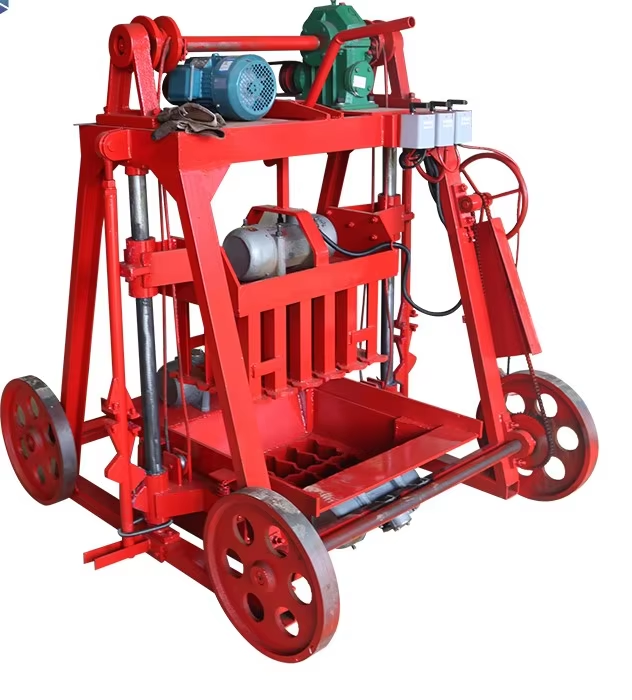
Cement Block Making Machine: Lowering Operational Costs via Automation and Precision
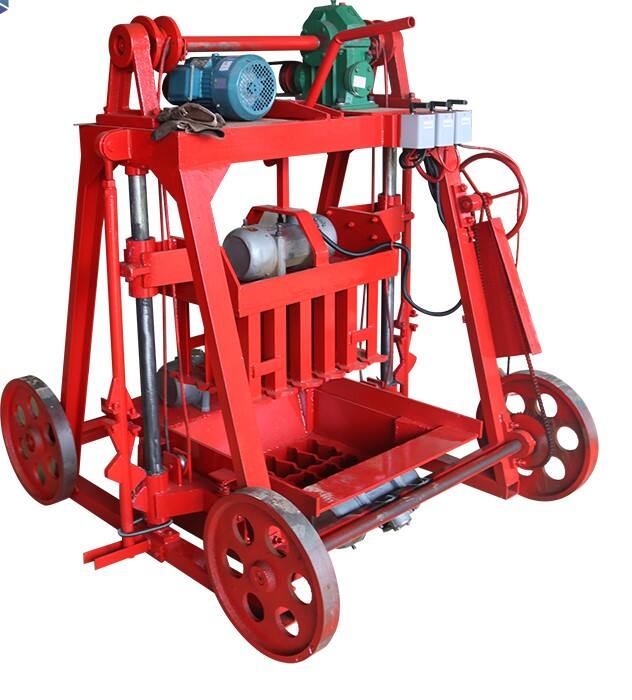
Labor cost reduction through semi-automated operation and reduced manual handling
The introduction of cement block making machines really cuts down on labor expenses because it moves operations away from purely manual work to something that's partially automated. Instead of workers doing all the mixing, shaping, stacking and putting blocks onto pallets themselves, operators now just watch over the process. Industry data shows staffing requirements drop somewhere between 40% and 60% when these machines are implemented. The system handles most of the heavy lifting automatically, which is a big plus for worker safety. These machines come with what's called PLCs - basically computer controls that let a single technician keep tabs on several different parts of production at once. For mid sized facilities, the savings usually amount to around $15k to $28k each month. Plant managers often put this money towards hiring more skilled staff or getting regular maintenance done on equipment, which helps the whole operation run smoother in the long run.
Precision batching and hydraulic compaction cut material wastage by up to 12%
The volumetric batching system gives around half a percent accuracy when measuring raw materials, which stops people from using too much cement or aggregate. During the mixing process, real time moisture sensors automatically change the water ratio as needed. At the same time, the hydraulic compaction hits over 2500 psi pressure, getting the mix just right for maximum density and almost all of the material gets used up. When we put all these together, they cut down on wasted materials somewhere between 8 to 12 percent compared to old fashioned manual methods. That actually means saving roughly 1.3 tons of cement every month if someone makes 10 thousand blocks.
ROI analysis: Payback period under 18 months for mid-volume producers
Despite higher maintenance outlays, labor and material savings drive full cost recovery within 14–18 months. Subsequent gains lift gross margins by 19–27%, supporting strategic reinvestment in quality assurance or workforce development.
Scalable Production Capacity and Output Flexibility
Modern cement block making machines support scalable output from 500 to 3,000+ blocks per hour, enabling contractors to match production precisely to project timelines and demand fluctuations—without overextending resources or risking inventory obsolescence.
Modular design enables capacity upgrades without facility retrofitting or downtime
These systems are built to grow with the business, letting companies add extra parts like molds, curing equipment, or packaging areas without tearing anything apart or shutting down production. Old style setups needed complete factory overhauls when expanding, which meant expensive downtime and lost productivity. With modular designs, operations just keep going while new components get integrated. For contractors working on tight deadlines, this kind of flexibility makes all the difference. Late deliveries can tank contracts and drive clients away, so being able to scale quickly without major disruptions is worth its weight in gold on construction sites across the country.
Consistent, High-Quality Block Output Meets Industry Standards
Precision engineering ensures structural uniformity across every batch—meeting the dimensional and performance expectations of architects, engineers, and code authorities on large-scale developments.
Hydraulic Pressure Control Ensures ±1.5% Dimensional Tolerance Across All Batches
Real-time pressure monitoring and synchronized vibration systems maintain ±1.5% dimensional tolerance—aligned with concrete manufacturing best practices cited in peer-reviewed masonry efficiency studies. This consistency minimizes on-site fitting errors and reduces rework costs by up to 9%, according to 2024 industry field analyses.
ASTM C90 Compliance Achieved at 98.7% Repeatability in Compressive Strength Testing
Automated curing cycles and sensor-based density verification deliver 98.7% repeatability in ASTM C90 compressive strength testing—surpassing the 95% threshold required for certification. PLC-regulated compaction optimizes particle distribution and interlock, ensuring reliable load-bearing performance across batches. These results support LEED documentation and other sustainable construction certifications without compromising structural integrity.
Versatile Product Portfolio Enabled by One Cement Block Making Machine
A single machine produces diverse product types via interchangeable molds—enabling seamless transitions between standard hollow blocks, colored pavers, and engineered interlocking units. Adjustable pressure and vibration settings ensure each variant meets ASTM-mandated strength, density, and dimensional standards.
What makes this system so valuable is how it brings together processes that would normally need separate production lines into just one platform. This cuts down on both money spent upfront and the space needed on factory floors. Companies can now reach different customer groups like homes, businesses, and public buildings all at once using the same equipment. Operational expenses drop somewhere between 18 and 25 percent when compared to traditional fixed line setups. Plus there's another benefit worth mentioning: flexible molds mean about 32 percent less material ends up as waste. This helps companies meet their green targets too, since less waste means better use of resources overall, which aligns nicely with efforts to create more sustainable manufacturing practices.
Safer Operations, Sustainable Practices, and Supply Chain Control
63% reduction in lifting-related injuries (OSHA-aligned case study, Tancheng County Hongbaoyuan, 2023)
Using semi-automated systems for moving materials takes care of all that repetitive heavy lifting which is actually the main cause behind most musculoskeletal injuries when working with masonry. A recent study from 2023 looking at operations at Tancheng County Hongbaoyuan showed pretty impressive results too - they saw about a 63 percent decrease in injuries related to lifting after implementing these new methods. Plus, having enclosed areas for production along with those automatic ejection systems really cuts down on dangerous pinch points where accidents tend to happen. These changes have led to real improvements in how safe workers are on site according to various safety measurements tracked over time.
On-site production slashes transport emissions and supports eco-friendly materials like fly ash and slag
Manufacturing closer to where products are needed can slash transportation emissions by around half compared to big central factories, which helps reduce those tricky Scope 3 emissions on company carbon reports. Another advantage is what happens with all those industrial leftovers. Many plant operators replace roughly a third to almost half of regular Portland cement with materials like fly ash or blast furnace slag that meet ASTM standards. This practice keeps tons of waste out of landfills while actually making buildings last longer and perform better thermally over time. And surprisingly enough, structural integrity stays intact with no real loss in strength or ease of use during construction.
FAQ Section
What is the primary benefit of using cement block making machines?
They significantly reduce labor costs by automating many processes, improving safety and efficiency.
How does modular design benefit production?
It allows businesses to scale up production without extensive facility changes, reducing downtime.
How are material wastages reduced?
Through precision batching and hydraulic compaction, cutting down material wastage by up to 12%.
Is the equipment environmentally friendly?
Yes, on-site production and use of eco-friendly materials like fly ash reduce emissions and waste.
Table of Contents
- Cement Block Making Machine: Lowering Operational Costs via Automation and Precision
- Scalable Production Capacity and Output Flexibility
- Consistent, High-Quality Block Output Meets Industry Standards
- Versatile Product Portfolio Enabled by One Cement Block Making Machine
- Safer Operations, Sustainable Practices, and Supply Chain Control
- FAQ Section