How Concrete Block Making Machines Drive Operational Efficiency
Automation-Driven Output Rates: From Manual Labor to 2,000+ Blocks per Hour
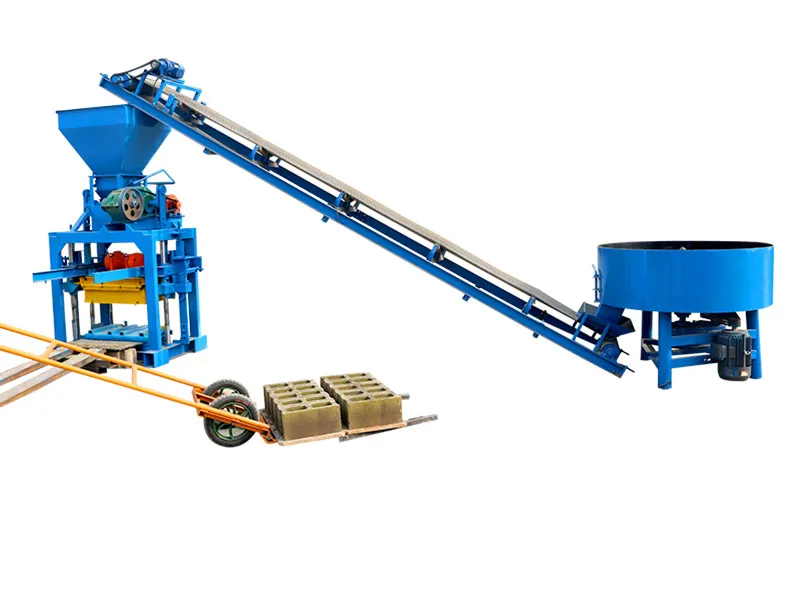
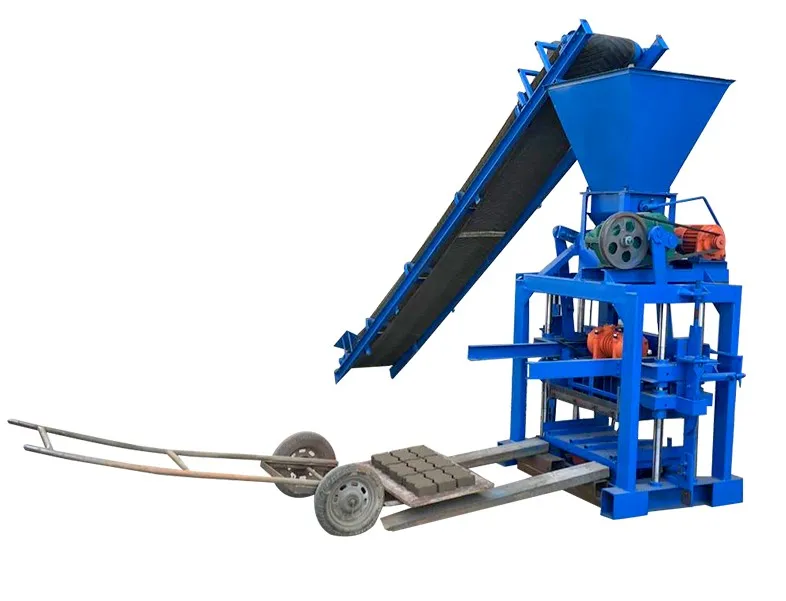
Today's concrete block manufacturing equipment really boosts productivity thanks to automated processes that handle everything from mixing materials to shaping and releasing blocks all in one smooth operation. Manual methods typically manage around 100 to maybe 200 blocks each hour, but these new machines can crank out well over 2000 blocks during the same period. That kind of jump in production speed means projects get finished faster and cuts down on manpower needs by about half during regular work shifts. Instead of doing the same old repetitive jobs day after day, workers now spend their time overseeing operations and checking product quality. The machines are built with such precision that each block comes out exactly the same size and shape, which saves money on wasted materials and fixes later on. Plus, this consistent output keeps things moving smoothly at construction sites without those annoying delays where nothing gets done because something is stuck in the system.
Integrated Curing and Cycle Time Optimization
Modern equipment now integrates controlled curing right into the manufacturing process, managing both heat levels and air moisture internally. This means no more waiting around for those extra days that used to slow things down so much. The production cycle actually gets cut down by about 40 percent when compared to traditional methods outside the main line, which allows factories to run almost continuously for well over 18 hours each day. Keeping conditions stable throughout ensures that every batch comes out with similar strength properties and stops problems caused by dampness such as cracks forming or bits chipping off surfaces. When companies bring curing in house instead of relying on separate facilities, they save on power costs too since there's no need for special steam rooms or expensive storage spaces anymore. Plus, workers get solid building materials ready for immediate installation rather than having to wait weeks for them to cure properly.
Tangible Cost Savings with Concrete Block Making Machines
Labor Reduction: Up to 60% Fewer Skilled Workers per Shift
When it comes to staffing requirements, automation really makes a difference while still keeping production levels high. Back when everything was done manually, casting operations needed around 15 workers just to get about 500 blocks made each day. These days, semi automatic systems can crank out more than 3,000 units with only three people on hand. Some recent research from construction efficiency experts in 2024 suggests labor costs drop roughly 60 percent per shift, which means companies could save something like $280,000 every year if they're medium sized operations. And there's another benefit too fewer hands on deck means fewer mistakes happen during mixing and pouring into molds. This leads to better overall results and less wasted material going straight into the trash bin.
Eliminating Off-Site Logistics: Zero Transportation, Storage, or Breakage Costs
Producing blocks right at the construction site with portable concrete block makers cuts out those traditional supply chain headaches. Contractors save money on shipping costs which typically eat up around 7 to 12 percent of what gets spent on materials, plus there's no need for extra warehouse space anymore. What matters most is avoiding all that damage stuff takes while being transported. Blocks often get cracked or broken during transit at rates between 8 and 15 percent, so keeping them intact means less work for crews who would otherwise have to deal with damaged stock. The whole setup also burns through less fuel since trucks aren't making long hauls back and forth. Delivery problems become a thing of the past too, and projects generally finish about 22 percent faster than when relying on offsite manufacturing.
Consistent Structural Integrity and Quality Assurance
ASTM C90 Compliance and Batch-to-Batch Compressive Strength Uniformity
Today's advanced machinery keeps things aligned with ASTM C90 standards for load bearing concrete blocks through controlled vibrations, pressure adjustments, and constant moisture checks during production. These systems maintain compaction forces and water cement mix ratios within about 2% variation, resulting in consistently strong blocks that hit over 2000 psi strength every time they come off the line. This approach cuts down on the roughly 15% inconsistency seen when workers cast blocks manually according to NIST data from last year, which means fewer weak spots showing up in wall structures or foundation work. Special sensors monitor how aggregates spread throughout each block while built in curing chambers manage steam temperature fluctuations around 5 degrees Celsius to stop those annoying thermal cracks from forming. With these improvements, manufacturers achieve nearly perfect compliance at 99.7% against ASTM C140 specs, reducing rejected products on construction sites by about 40%. Contractors can count on these blocks performing reliably even in earthquake prone areas or tall buildings where structural integrity matters most.
Design Flexibility and On-Demand Customization Capabilities
Rapid Die Swapping and Programmable Profiles for Wall, Paving, and Retaining Units
The new rapid die swapping system makes it possible for workers to swap out between different products like wall blocks, paving stones, and those retaining wall units within about 15 minutes or so. This cuts down on all that wasted time waiting for molds to change over. The programmable controls remember special settings for things like surface textures, pattern designs, or even company logos, so switching back and forth between regular production runs and custom orders happens smoothly. When architects need last minute changes or clients ask for something different, production teams can adapt quickly without throwing off the whole schedule. With modular tools and easy to use digital screens, what used to be something only small craft shops could handle is now possible at scale in big manufacturing plants across the country.
FAQ Section
What are concrete block making machines?
Concrete block making machines are automated equipment designed to produce concrete blocks efficiently by handling processes such as mixing, molding, and curing.
How do concrete block making machines improve productivity?
These machines leverage automation to increase output rates to over 2,000 blocks per hour and reduce labor requirements dramatically.
What cost savings can concrete block making machines provide?
These machines can reduce labor costs by up to 60% and eliminate offsite logistics costs like transportation and storage, resulting in significant savings.
Can concrete block making machines ensure product quality?
Yes, by adhering to ASTM C90 standards for structural integrity, these machines ensure batch-to-batch compressive strength uniformity and reduce inconsistencies.