How Concrete Block Making Machines Are Evolving: From Manual to Smart Automation
Operational Tiers Explained: Manual, Semi-Automatic, and Fully Automatic Concrete Block Making Machines
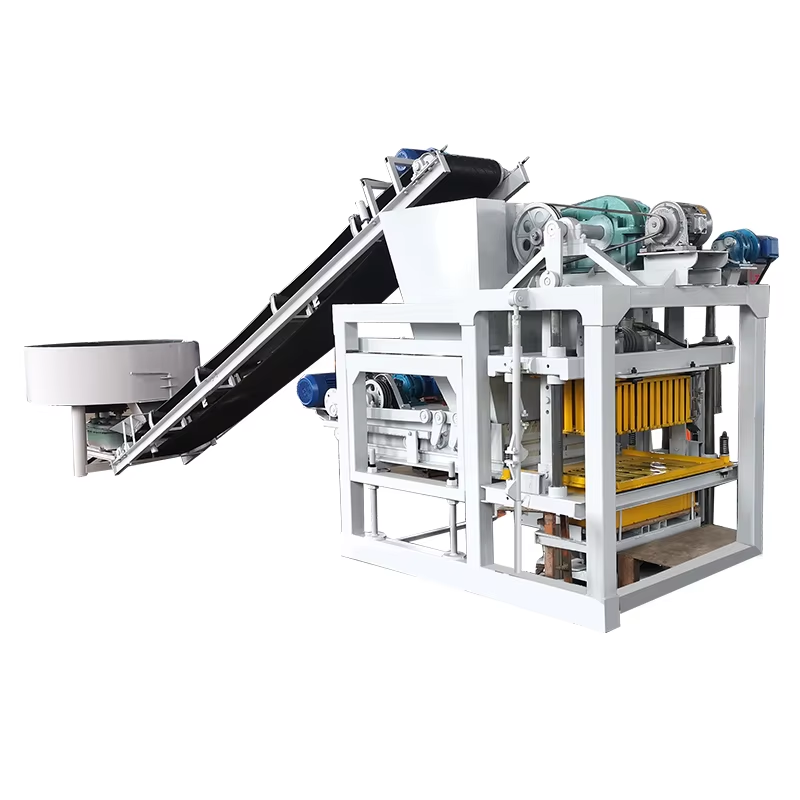
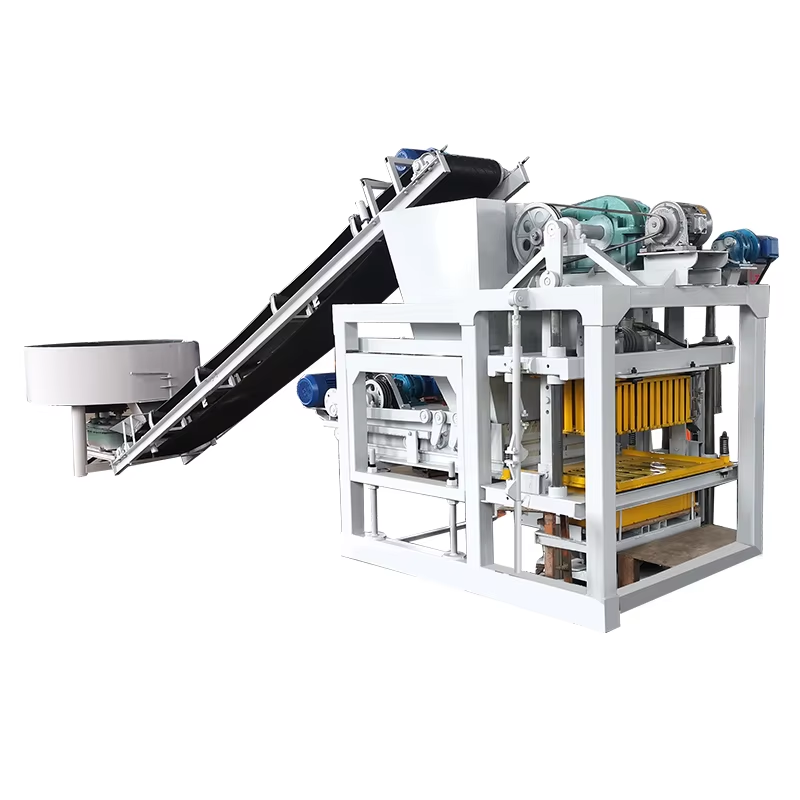
The modern construction industry has developed three main levels of operation when it comes to manufacturing masonry units, each offering better efficiency, consistency, and scale than the last. At the simplest end are manual concrete block makers where everything depends on what the workers do themselves from filling molds to compacting and removing finished blocks. These are really only practical for small local projects or in remote areas where production rarely exceeds 100 to 200 blocks a day. The next step up brings semi-automatic systems that handle key tasks like vibrating the mix into place, ejecting the blocks automatically, and moving them along basic conveyor belts. This typically pushes daily output to around 500 to 800 units while cutting down on how many hands are needed in the process by about 30 to 40 percent. Fully automatic machines set the standard today though. They combine hydraulic systems, computer controlled PLCs, conveyor belts that work together perfectly, and even robotic arms that stack the blocks onto pallets. With these advanced setups, factories can churn out over 1,500 blocks every hour consistently, maintaining tight tolerances with less than 1% variation in size measurements. And they run non-stop thanks to clever hopper designs and built-in curing processes that keep operations going round the clock without interruption.
AI-Driven Quality Assurance and Predictive Maintenance in Modern Concrete Block Making Machines
Smart sensors and internet-connected platforms are changing what we expect from concrete block production machines when it comes to reliability and quality checks. When these systems monitor things like how runny the mix is, how much pressure gets applied during compression, whether molds are filled properly, and if blocks meet size specs after they come out of the machine, faulty products get rejected right away before they even start to harden. The AI behind these systems learns from patterns in vibrations, heat changes, and pressure drops to spot problems developing in parts like bearings or seals way ahead of time sometimes predicting issues as far as three days in advance. This has cut down unexpected breakdowns by almost half in many plants. What's more, these smart systems tweak the mixing process automatically based on weather conditions outside. If it gets hotter or more humid, the machine knows to compensate so blocks maintain their density and strength throughout different seasons. Instead of just collecting data, these technologies turn information into actionable insights that keep production meeting ISO standards while requiring far less direct supervision from workers on the floor.
Enabling Low-Carbon Blocks: Integration of Eco-Materials and Precision Mixing Systems
These days, sustainability isn't just an afterthought for modern concrete block makers anymore. The latest machines actually build green practices right into their basic operation. With precision batching systems, manufacturers can reliably include around 40% recycled materials such as old crushed concrete, industrial slag from blast furnaces, and even broken ceramics without compromising strength or appearance quality. At the same time, digital controls measure out just the right amounts of alternative cement ingredients like fly ash, silica dust, or baked clay products. This cuts down on regular Portland cement usage by about 15 to 25 percent per block made. And that matters quite a bit because cement production alone contributes roughly 8% of all carbon dioxide emissions worldwide. Even small cuts here make a real difference for the environment. Smart sensors built into these systems constantly check how the mixture feels and automatically adjust water content when needed. This keeps the material workable during processing while maintaining proper density despite variations in raw material moisture content.
Energy Optimization: Hydraulic Efficiency, Solar Compatibility, and Waste-Heat Recovery
Modern hydraulic systems now incorporate load sensing pumps which adjust both pressure and flow rates exactly what's needed during different stages of the molding process. This eliminates wasted energy that would otherwise come from running at maximum pressure all the time. For installations where solar power is an option, special controllers allow direct connection to photovoltaic panels, making it possible to run these systems completely off grid even in isolated locations. Heat recovery is another area where efficiency gains are happening too. The heat exchangers grab steam and exhaust warmth from the curing chambers and put that energy to work preheating new batches of material or keeping the curing area at optimal temperature levels. All this cuts down on overall thermal requirements without messing with how fast or effectively the materials actually cure.
Modular, Containerized, and On-Site Deployable Concrete Block Making Machines
The rise of compact, modular block manufacturing systems has made this technology accessible to many more people than before, moving production away from big central factories toward smaller operations right at construction sites. These container sized units fit inside spaces less than 400 square feet, don't need foundations, and show up on site within two days max. What makes them special is their combination of hydraulic presses, smart mold changes, and automated batching processes that let one person crank out over 500 blocks per day for things like patios, retaining walls, or structural elements. Builders can start simple with semi-automated setups and then upgrade later when business picks up, adding features like internet connected sensors, robots for stacking finished products, or specialized mixing equipment as needed. The real kicker? Getting started costs less than twenty grand, and running these mini factories cuts operating expenses by around thirty percent compared to old school methods. Plus they help turn junk from torn down buildings and leftover quarry material into valuable resources instead of waste problems.
Market Outlook: Growth Drivers and Strategic Opportunities for Concrete Block Making Machine Buyers
Demand for concrete block making machines is growing fast these days. Urban areas keep expanding, governments want older infrastructure fixed up, and there's just so much need for affordable housing options. We're talking about over 140 million new housing units needed just in developed countries alone. Meanwhile, stricter environmental rules and those ESG reports companies have to file are making green production methods much more important. Smart buyers look at machines that start small but can grow with their needs while also having real carbon cutting features built right in. Things like being compatible with secondary cement materials, ready for solar power installation, and systems that capture heat waste make a big difference. What we see happening now isn't some experimental trend anymore. The combination of reliable AI monitoring, using eco friendly materials, and setting up machines closer to where they'll actually be used has become what everyone expects when shopping for modern construction equipment.
FAQ
What are the benefits of fully automatic concrete block making machines?
Fully automatic machines can produce over 1,500 blocks every hour, maintain tight size tolerances with less than 1% variation, and operate non-stop due to integrated curing processes.
How do AI-driven systems improve block making quality?
AI systems monitor and adjust production conditions, reject faulty products immediately, and predict maintenance needs by analyzing vibrations, heat, and pressure patterns to reduce unexpected breakdowns by almost half.
How do modern machines contribute to sustainability in concrete block production?
Modern machines enable the integration of recycled materials and alternative cement ingredients, reducing the use of Portland cement by 15-25% and lowering carbon dioxide emissions.
What are modular and containerized block making machines?
Modular and containerized systems are compact units that can be deployed directly at construction sites, offering flexibility and reducing operating expenses by around 30% compared to traditional methods.
Table of Contents
-
How Concrete Block Making Machines Are Evolving: From Manual to Smart Automation
- Operational Tiers Explained: Manual, Semi-Automatic, and Fully Automatic Concrete Block Making Machines
- AI-Driven Quality Assurance and Predictive Maintenance in Modern Concrete Block Making Machines
- Enabling Low-Carbon Blocks: Integration of Eco-Materials and Precision Mixing Systems
- Energy Optimization: Hydraulic Efficiency, Solar Compatibility, and Waste-Heat Recovery
- Modular, Containerized, and On-Site Deployable Concrete Block Making Machines
- Market Outlook: Growth Drivers and Strategic Opportunities for Concrete Block Making Machine Buyers
- FAQ