
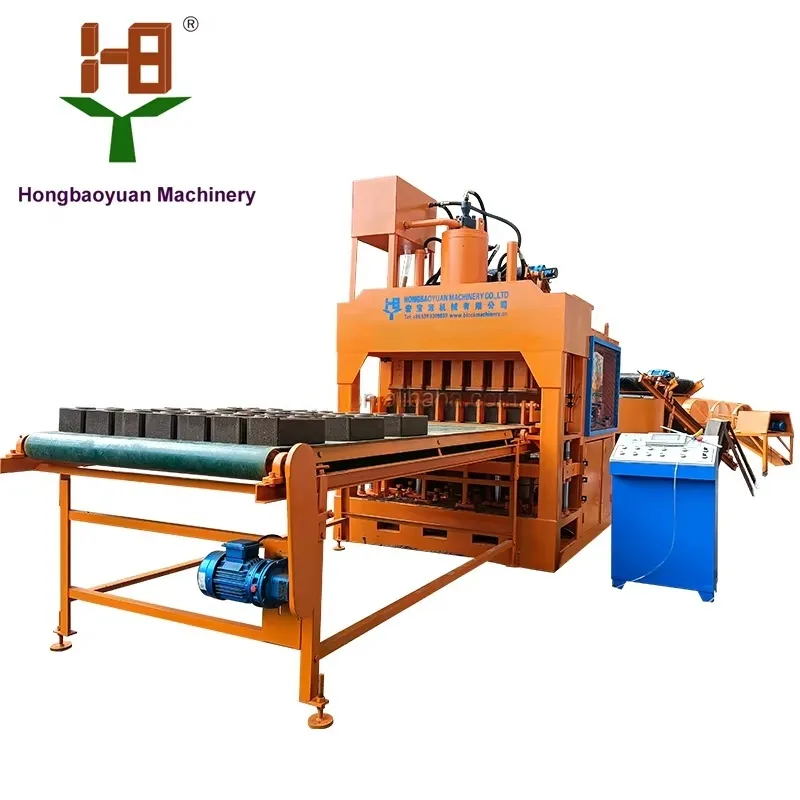
How Interlock Block Making Machines Deliver Superior Structural Strength
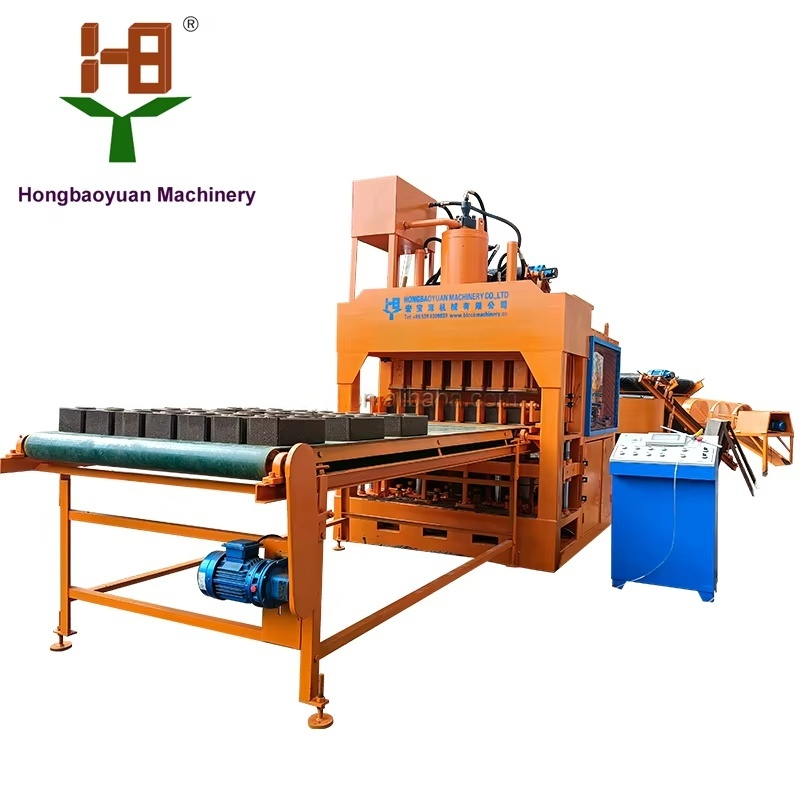
Hydraulic Pressure and Precision Mold Calibration for High-Compressive-Strength Blocks
Hydraulic systems in interlock block making machines apply pressures well beyond 2,500 psi to compact cement mixtures thoroughly and evenly throughout each block. By squeezing out those pesky air pockets and getting particles to line up properly at microscopic levels, these machines create blocks with compressive strength around 30 to 40 percent higher than what manual tamping can manage. Steel molds manufactured with extreme precision keep dimensions accurate to within half a millimeter, which means every single block maintains consistent shape and handles stress uniformly when put together. The machine actually changes how long it presses depending on what kind of material goes in there too longer pressing times for rougher aggregates, faster cycles for finer materials. What comes out at the end is a solid, uniform block that can handle loads over 15 MPa, meeting all the standards set by ASTM C90 for structural masonry applications without needing extra support from steel or anything else.
Vibration Frequency Control: Optimizing Density and Eliminating Internal Voids
When concrete gets shaken at really high speeds (around 8,000 to 10,000 RPM), it actually helps settle particles down deep inside the mix. This process knocks out those tiny air pockets that are basically responsible for why structures fail too soon. The newer machines on the market come equipped with sensors that constantly check how dense the material is getting. These sensors then adjust both how fast and how long the vibrations happen, which stops things from getting packed too tight and causing problems with the materials separating. What we end up with is concrete that packs together pretty densely, around 2,200 kg per cubic meter, leaving less than 3% empty space inside. Tests done according to NCMA standards show these blocks can withstand freezing and thawing cycles 28% better than regular ones, plus they soak up only 19% as much water. That makes all the difference in places where winters are harsh or there's constant rain. And let's not forget, when there are no air gaps running through the material, buildings stand up better during earthquakes and don't settle unevenly over time, giving them much longer life spans overall.
Consistency You Can Trust: Precision Uniformity in Every Interlock Block
Tight Dimensional Tolerance (<±1.2 mm) and Its Impact on Laydown Efficiency and Mortar Savings
Today's interlock block makers maintain tight dimensional control within about 1.2 mm thanks to computer-controlled molds and automatic calibration systems that adjust themselves throughout production. The result? Blocks fit together without any problems during installation, so workers don't need to spend hours chiseling away at misaligned pieces or grinding them down to match. Contractors report that laying these blocks goes much faster too, with some seeing improvements around 20 to 25 percent over older methods where block sizes varied unpredictably from batch to batch. Another big plus is less mortar needed between joints since there's so little variation in size. Industry standards suggest this can cut mortar consumption by nearly 20 percent, which means saving money on materials and reducing the time crews spend finishing those joints. What really matters though is how these machines keep their accuracy consistent from one production run to the next. For big construction projects where delays are costly and quality must be uniform, having equipment that maintains these standards makes all the difference in meeting deadlines and keeping client satisfaction high.
Adaptability Without Compromise: Modular Flexibility of Modern Interlock Block Making Machines
Rapid Die Swapping for Paving, Wall, and Drainage Block Profiles "“ One Machine, Multiple Applications
With modular mold systems, changing profiles happens fast enough to switch from paving stones to retaining walls or stormwater drains in less than 15 minutes most of the time. Contractors can now make interlocking pavers, build structural walls, and create channel units all using the same setup, which means no longer needing separate machines for each job. The cost savings are pretty impressive when looking at capital outlay, and storing these molds becomes much easier thanks to standard mounting points and common controls throughout the system. What's really important is that despite all these changes, the finished products stay accurate within about 1.2 mm across every different profile. Builders who handle various projects ranging from small driveway jobs to bigger city infrastructure work find this adaptability invaluable. They can respond quicker to bids, manufacture components exactly when needed, and get better value from their equipment investments without compromising on either quality standards or regulatory requirements.
Project Economics: How Interlock Block Making Machines Accelerate Timelines and Reduce Total Cost
Interlock block makers change how projects are budgeted because they bring together better material usage, fewer workers needed, and faster timelines all in one system. The way these blocks fit together without needing mortar means we can cut down on cement by around 40%, which saves money on materials and also reduces the carbon footprint of construction. With automation coming into play, even semi-auto models can crank out more than 1,500 blocks each hour. That cuts reliance on manual labor by roughly 70% compared to old school block laying methods. Faster production speeds mean construction projects get finished sooner. Housing developments can be occupied earlier, roads and bridges can open to traffic quicker after completion. And when we factor in less wasted material, lighter loads during transportation since no mortar is required, plus fewer mistakes due to consistent block sizes, most mid-sized operations see their return on investment within about 12 to 18 months. Makes sense why so many contractors are switching to this technology these days.
Frequently Asked Questions
What are the benefits of using interlock block making machines?
Interlock block making machines provide superior structural strength, consistent block uniformity, and adaptability for different block types. They also save on mortar and reduce labor requirements.
How do these machines ensure high compressive strength?
By utilizing high hydraulic pressures and precision molds, these machines create blocks with compressive strength 30-40% higher than manually tamped blocks.
Can the interlock blocks be used in harsh weather conditions?
Yes, tests show that these blocks have enhanced resistance to freezing and thawing cycles and absorb significantly less water, making them suitable for harsh climates.
What is the impact on project timelines and costs?
Interlock block making machines accelerate timelines and reduce costs due to faster production speeds, efficient material usage, and a significant reduction in required labor.
Table of Contents
- How Interlock Block Making Machines Deliver Superior Structural Strength
- Consistency You Can Trust: Precision Uniformity in Every Interlock Block
- Adaptability Without Compromise: Modular Flexibility of Modern Interlock Block Making Machines
- Project Economics: How Interlock Block Making Machines Accelerate Timelines and Reduce Total Cost
- Frequently Asked Questions