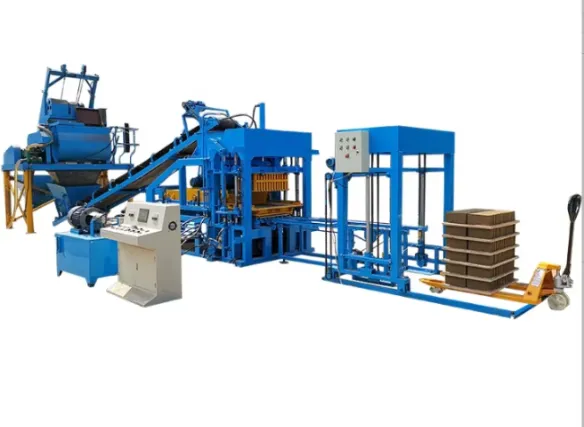
Automatic Concrete Block Making Machine with Hydraulic Technology for Superior Performance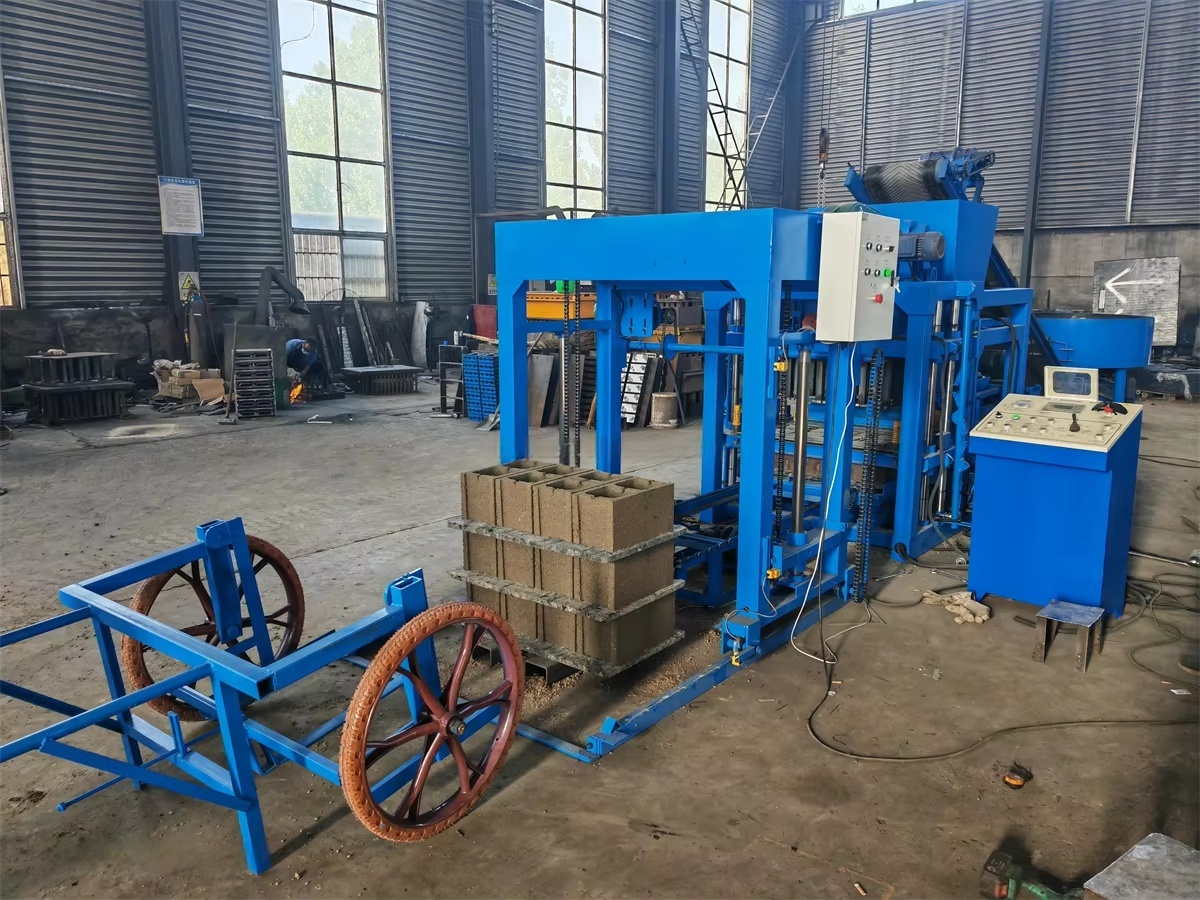
How Hydraulic Systems Enable Higher Compaction Pressure and Dimensional Accuracy
The hydraulic system can produce around 3500 pounds per square inch when compacting materials, which is roughly twice what most mechanical presses manage. This kind of pressure creates concrete blocks that are both dense and uniform, staying within about half a millimeter for dimensions. Mechanical presses tend to drop off in pressure right at the end of their movement, but hydraulic systems keep applying steady force all the way through. The result? Fewer air pockets and smoother surfaces on finished products. Manufacturers benefit from this consistency too, since it cuts down on wasted materials by approximately 19 percent. Meeting tough industry requirements like ASTM C90 becomes much easier when production quality remains so consistently high across batches.
Durability and Longevity: Hydraulic vs. Mechanical Systems in Real-World Applications
Concrete block makers with hydraulic systems can run for around 12,000 hours before needing big maintenance work—that's about 40% more runtime compared to their mechanical counterparts. The sealed hydraulic circuits stand up better against all the dust and dirt that gets kicked up on construction sites, which means less wear and tear from abrasives getting into the system. Mechanical units tend to have problems with gearboxes breaking down because they can't handle the sudden jolts that happen when vibrating parts move during operation. Hydraulic systems actually soak up those shocks, so molds last roughly 28% longer according to tests done across 47 different manufacturing plants last year.
Long-Term Cost Benefits: Why Hydraulic Machines Reduce Maintenance by 37% Over Time
Hydraulic systems get rid of those pesky belts, chains, and clutch parts that usually cause so many headaches. This simplification means fewer things breaking down and replacement costs drop around 37% after about five years according to the Construction Machinery Journal from last year. When manufacturers regulate pressure using PLCs, they actually protect their equipment better. Components don't wear out as fast, which cuts unexpected breakdowns almost in half at around 52%. Newer models come with heat recovery tech too, cutting power usage somewhere around 11 kilowatt hours each time through the production line. All these improvements add up to real money saved. On average, companies report saving roughly $15,200 every year on each machine when switching from older semi automatic setups.
Fully Automatic Operation: Maximizing Efficiency and Consistency
Labor Reduction: From 6 Operators to 1 in Modern Automatic Concrete Block Making Machines
Back in the day, making concrete blocks needed around six people doing all sorts of jobs from feeding materials into molds to checking if everything met quality standards. These old methods often led to inconsistent results and plenty of safety issues too. Today's automatic block makers have robots handling most of the heavy lifting when it comes to moving materials, compacting them properly, and even cycling through pallets. This tech advancement means we need way fewer operators these days probably somewhere around 80% less than before. Now just one person can watch over the whole system and make sure safety rules are followed, freeing up other staff members to focus on more important work that actually adds value. Industry numbers from 2023 show companies save between $18 and $27 for every thousand blocks produced after switching to automation. Plus there are fewer injuries from manual handling since those kinds of accidents used to make up about a third of all incidents at precast plants.
PLC Control and Real-Time Calibration for Unmatched Batch Uniformity
PLCs keep things running smoothly by constantly tweaking parameters like vibration speed between around 4,500 to 6,000 RPM, controlling moisture levels within half a percent, and managing compaction pressures that can reach as high as 3,200 psi. During the block ejection phase, laser sensors come into play, continuously monitoring dimensions and transmitting live data back to the main control unit. If there's any deviation beyond plus or minus 1mm from standard specifications, the PLC kicks in automatically to adjust both mold alignment and hydraulic settings all while keeping production moving forward without interruption. What makes this system so effective is its ability to maintain nearly 99.4% consistency in dimensions throughout big batches of work. This means no more time-consuming sorting processes at job sites, and contractors report getting their construction schedules accelerated by about 22%. For those working on significant infrastructure developments where timing matters most, this kind of precision saves both money and headaches down the line.
ROI Comparison: Hydraulic and Fully Automatic vs. Manual and Semi-Automatic Alternatives
Break-Even Analysis: 14-Month Payback for Integrated Hydraulic-Automatic Systems
When it comes to integrated hydraulic automatic systems, they typically break even within around 14 months which is roughly 40 to 60 percent quicker compared to traditional manual or semi automatic setups. This speed boost comes from saving money on several fronts at once including labor expenses, regular maintenance work, and overall energy consumption. Looking at numbers over a five year period shows maintenance bills drop about 37 percent while companies need far fewer operators since demand drops by more than 80%. These improvements mean less time wasted waiting for repairs and fewer mistakes made by workers. Industry research indicates that running things efficiently cuts down what each unit actually costs by about a quarter. For businesses making concrete products today, this kind of system offers something real world manufacturers can count on when looking for ways to keep producing large volumes profitably over many years ahead.
FAQs
Why do hydraulic systems produce higher compaction pressure?
Hydraulic systems utilize fluid dynamics to create higher compaction pressure, around 3500 pounds per square inch, which is double compared to most mechanical presses. This steady force results in denser and more uniform concrete blocks.
How does automation affect labor requirements in concrete block manufacturing?
Automation significantly reduces labor requirements, cutting the number of operators needed by up to 80%. Modern automatic systems require only one person for monitoring and allow workers to focus on more value-added tasks.
What long-term financial benefits do hydraulic systems offer?
Hydraulic systems simplify machinery, eliminating easily-worn belts and chains, thereby reducing maintenance costs by approximately 37% over time. Additionally, heat recovery tech in newer models decreases power usage, creating substantial annual savings.