
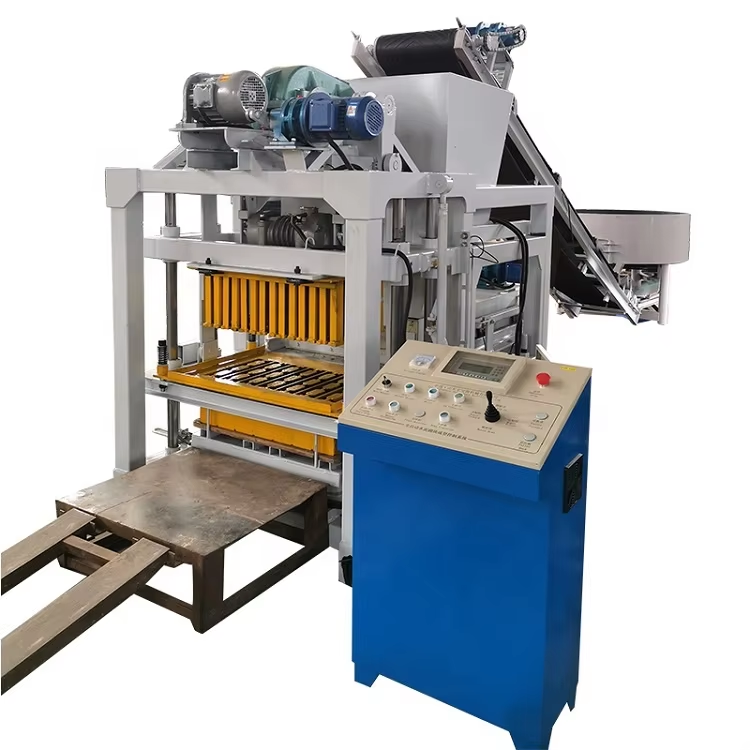
Բարձր արտադրողականություն և մասշտաբավորում պահանջկոտ շինարարական графիկների համար Մասին Բետոնե բլոկների արտադրման մեքենա
Հիդրավլիկ բետոնե խորշերի արտադրման մեքենան ապահովում է արագ արտադրություն ժամանակային սահմանափակ նախագծերի համար
Ամենատարածված հիդրավլիկական բետոնե խոյակները կարող են արտադրել ժամում 1800-ից 2400 խոյակ, ինչը օգնում է շինարարական ընկերություններին հասցնել կառուցել քաղաքային բնակարանային զարգացումներն ու ճանապարհային աշխատանքները՝ հաշվի առնելով խիստ ժամկետները: Այս սարքերը սովորաբար ունեն ներդրված գոլորշու հասունացման խորաններ, որոնք կրճատում են սպասման ժամանակը, որը սովորաբար անհրաժեշտ է խոյակների ձեռքով հասունացման համար, այսպիսով այն, ինչ նախկինում շաբաթներ էր տևում, հիմա կատարվում է ընդամենը մի քանի օրում: Վերցրեք օրինակ բարձրահարկ շենքերը: Երբ շինարարները փոխանցում են այս ավտոմատացված խոյակների արտադրության համակարգերին, նրանք տեսնում են, որ նախագծի ընդհանուր տևողությունը 34 տոկոսով կրճատվել է հին ձևավորման մեթոդների համեմատ: Խոշոր նախագծերի դեպքում խնայողությունները շատ արագ են կուտակվում:
Մասշտաբավորումը աջակցում է խոշոր ենթակառուցվածքների և բարձրահարկ շենքերի նախագծերում փոփոխվող պահանջներին
Մոդուլային կառուցվածքների շնորհիվ օպերատորները կարող են պարզապես ավելացնել ավելի շատ ձուլման կայաններ կամ նյութի ֆիդերներ, երբ նախագիծը մեծանում է: Այս տեսակի ճկունությունը հատկապես կարևոր է մեծ նախագծերում, ինչպիսին մետրոյի շինարարությունն է, որտեղ անսպասելի դիզայնի փոփոխությունները կարող են շինարարության կեսին ավելացնել բլոկների պահանջը մոտ 70%: Արդյունաբերական տվյալներ ցույց են տալիս, որ այն շինարարական ընկերությունները, որոնք աշխատում են այս մասշտաբավորվող համակարգերով, դեպքերի մոտ 9-ը 10-ից փուլ առ փուլ իրականացման ընթացքում նյութերի անբավարարության հետ չեն հանդիպում, ի սրուն հակադրվելով հին ամրակցված հզորությամբ համակարգերին, որոնք չեն կարողանում հարմարվել փոփոխվող պայմաններին:
Ավտոմատացումը կրճատում է նախագծի ժամկետները՝ անընդհատ և արդյունավետ արտադրական ցիկլերի շնորհիվ
Ավտոմատացված պալետային փոխանակիչները և ռոբոտային շարքավորողները հնարավորություն են տալիս աշխատել 24/7 եղանակով՝ յուրաքանչյուր հերթափոխում ընդամենը 3-5 անձնակազմով, ինչը 83% ավելի քիչ է, քան ձեռնարկված աշխատանքային սրահներում: Ինտեգրված որակի վերահսկողության սենսորները անմիջապես մերժում են չհամապատասխանող բլոկները, պահպանելով <1% սխալների մակարդակ և վերացնելով արտադրությունից հետո տեսակավորման ուշացումները:
Ուսումնասիրություն. Բարձրաշեն շինարարություն Գուանդունում՝ օգտագործելով ավտոմատացված բլոկերի արտադրություն
Գուանչժույում 58 հարկանի խառը օգտագործման զարգացման շինարարությունը հիմքի աշխատանքները մոտ մեկ ամսով արագացրեց, երբ նրանք օբյեկտի վայրում մեծ հիդրավլիկ աղյուսակազմ մեքենաներ բերեցին: Այդ մեքենաները 11 շաբաթվա ընթացքում արտադրեցին մոտ 8,7 միլիոն շինարարական աղյուս, ինչը օգնեց խուսափել տեղական նախապես պատրաստված ընկերություններից ստացվող շղթայի ձանձրալի կասկածումներից: Ստանդարտացված մասերը ճիշտ նստեցին աշտարակի մոդուլային պողպատե կմախքի մեջ՝ ինչպես գլուխկոտրուկի մասերը, ցույց տալով, թե ինչպես է ավտոմատացված արտադրությունը համատեղվում այսօրվա շինարարական մեթոդների հետ: Աշխատողները այլևս սպասելու կարիք չունեին առաքման, քանի որ ամեն ինչ արտադրվում էր օբյեկտի վայրում, և ամբողջ նախագիծը շարունակվում էր առանց ընդհատման:
Բարձրորակ բլոկ, հետևողականություն և կառուցվածքային կատարողականություն
Ճշգրիտ հիդրավլիկ ճնշումը ապահովում է համաձայնեցված որակ և համաչափ վանդակների չափսեր
Հիդրավլիկ բետոնե խոյակների արտադրման մեքենաները ձևավորման ընթացքում կիրառում են 2,500 PSI-ից բարձր վերահսկվող ճնշում՝ հասնելով ±1,5 մմ-ից պակաս չափագրական ճշգրտության: Այս ճշգրտությունը վերացնում է ձեռքով արտադրման ընթացքում հաճախ հանդիպող չափերի տատանումները և ապահովում է աղյուսների ճիշտ տեղադրումը շարվածքի ժամանակ: Ուսումնասիրությունները ցույց են տվել, որ մեքենայով արտադրված միավորների 98%-ն ունի ճշգրիտ չափեր՝ ձեռքով արտադրված տարբերակների 82%-ի դիմաց:
Բարձրացված խտություն և տևողականություն՝ վերահսկվող սեղմման շնորհիվ ձևավորման ընթացքում
Շարունակական հիդրավլիկ սեղմումը բետոնի խտությունը 15–20%-ով ավելացնում է, որը բարձրացնում է ծանրաբեռնվածության կրող ունակությունը և ամպրոպակայունությունը: Այս գործընթացը նյութի ներսում ստեղծում է փոխկապված բյուրեղային կառուցվածքներ, որը բարձրացնում է տևողականությունը 40%-ով՝ համեմատած միայն թրթռոցային մեթոդների հետ՝ համաձայն ASTM C140 փորձարկման ստանդարտների:
Կառուցվածքային հուսալիության բարձրացում՝ նվազեցնելով ձեռքով ձուլման մեթոդներին բնորոշ տատանումները
Ավտոմատացված համակարգերը պահպանում են 92% համաձայնեցվածության մակարդակ սեղմման փորձարկումների ժամանակ՝ ձեռքով կատարվող գործողությունների 67%-ի համեմատ: Մարդկային գործոնների բացառմամբ, ինչպիսիք են խառնման անհամաչափությունը և անհավասար տափոցումը, հիդրավլիկ վանդակի մեքենաները նվազեցնում են թերությունների արագությունը 1-ից 50-ից մինչև 1-ից 500: Այս հուսալիությունը կարևոր է երկրաշրջանների կառուցվածքային մասերի համար, որտեղ նյութի աշխատանքը ուղղակիորեն ազդում է անվտանգության վրա:
Տվյալներ. Մեքենայով արտադրված բլոկներում 30%-ով ավելի բարձր սեղմման ամրություն (ACI 2022 զեկույց)
Կողմնակի ստուգման միջոցով հաստատված է, որ հիդրավլիկով սեղմված բլոկները հասնում են 4,500 ֆունտ/քառ.դյույմ սեղմման ամրության՝ ձեռքով արտադրված նմանատիպ բլոկների 3,200 ֆունտ/քառ.դյույմի դիմաց: Այս 30%-անոց կատարողականի տարբերությունը, որը փաստաթղթավորված է ACI 2022 թ. զեկույցում, համապատասխանում է բարձր շենքերի հիմքերի և EN 1992-1 համապատասխանություն պահանջող ենթակառուցվածքային նախագծերի խիստ որակի ապահովման չափանիշներին:
Աշխատանքի ծախսերի կրճատում և գործողությունների արդյունավետություն ավտոմատացման միջոցով
Բետոնե բլոկներ արտադրող մեքենայի ավտոմատացումը զգալիորեն նվազեցնում է աշխատանքի պահանջարկը
Ժամանակակից հիդրավլիկական բլոկերի արտադրության համակարգերը 30–40% կրճատում են ձեռքով աշխատանքի կարիքը համեմատած ավանդական մեթոդների հետ: Գագաթնակետային ղեկավարման վահանակները և ծրագրավորվող տրամաբանական կառավարիչները թույլ են տալիս, որ մեկ օպերատոր միաժամանակ կառավարի մի քանի մեքենաներ, ինչը զգալիորեն կրճատում է աշխատանքի ծախսերը խառնման, ձուլման և փոքրացման գործընթացների ընթացքում:
Ցիկլի ընթացքում ավելի քիչ աշխատողներ՝ անվտանգության ավելի քիչ ռիսկեր և կառավարման ծախսեր
Ավտոմատացված նյութերի կենտրոնացումը նվազեցնում է մարդկանց փոխազդեցությունը ծանր բլոկների կույտերի և հիդրավլիկական մեխանիզմների հետ, որը հաշվի է առնում OSHA-ի կողմից հաշվետված շինարարական հրապարակների վթարների 58%: Մեքենայացված ստանդարտացված աշխատանքային գործընթացների շնորհիվ նախագծերի կառավարողները հաշվետվում են 25% ավելի քիչ անվտանգության ստուգումների և 18% նվազագույն վերահսկողական պահանջների մասին:
Ավելի մեծ ծախսերի կրճատում արագ զարգացող շուկաներում, որտեղ աճում են աշխատանքի ծախսերը
Հարավարևելյան Ասիայի և Աֆրիկայի շուկաներում, որտեղ ամենամյա աշխատավարձի ինֆլյացիան տատանվում է 7-12% սահմաններում, ավտոմատացված բլոկների արտադրությունը ներդրումների վերադարձը ապահովում է 34%-ով ավելի արագ, քան աշխատանքային ուժին կախված այլընտրանքային մեթոդները: Այս արդյունավետությունն կարևոր է ենթակառուցվածքային նախագծերի համար, որտեղ ձեռքով աշխատանքը կարող է սպառել ընդհանուր բյուջեի մինչև 45%:
Ճշգրիտ նյութի օգտագործում, թափոնների կրճատում և կայունության առավելություններ
Արդյունավետ նյութի չափաբաժինը նվազագույնի է հասցնում ցեմենտի և խառնուրդների չարաշահումը
Այսօրվա բետոնե խումբ պատրաստողները անցել են հիմնական կառուցվածքներից և ներառել են բարդ հիդրավլիկա, որը իրականում չափում է բաղադրիչները ավելի ճշգրիտ, քան մարդիկ: Այս համակարգերը ցեմենտի թափոնները կրճատում են 12-ից 18 տոկոսով՝ համեմատած հին ձեռքով մեթոդների հետ: Իրական հրաշքը տեղի է ունենում այն սենսորների շնորհիվ, որոնք անընդհատ կարգավորում են խառնուրդը՝ այն պահելով ճիշտ մակարդակի և խուսափելով ավելորդ ավելացումներից, որոնք գումար են ծախսում: Նայելով 2024 թվականի կայուն արտադրության վերջերս նկատված միտումներին՝ ընկերությունները, որոնք օգտագործում են այս թվային մոտեցումները, տեսնում են մոտ 15,7%-ի կրճատում թափոնների ռեսուրսներում՝ 38 տարբեր գործողությունների ուսումնասիրությունների համաձայն: Չնայած որոշները կարող են վիճարկել ճշգրիտ թվերը, հասկանալի է, որ այս կառավարման մակարդակը մեծ քայլ է դեպի առաջ արդյունավետության և շրջակա միջավայրի պատասխանատվության համար շինարարական նյութերի արտադրության մեջ:
Մինչև 22% նյութի թափոնների կրճատում՝ համապատասխանեցված ՄԱԿ-ի շրջակա միջավայրի ծրագրի (UNEP) կայունության նպատակներին (2021)
Հիդրավլիկական սեղմման մեթոդը գործնականում վերացնում է նյութի արտահոսքը գործողությունների ընթացքում: Գործարանային փորձարկումները ցույց են տալիս, որ ավազանի նյութի ծախսը 18-ից 22 տոկոսով կրճատվում է հին ձուլման տեխնիկայի համեմատ: Այս արդյունքները համընկնում են UN Environment Program-ի 2021 թվականի զեկույցում շինարարական գործունեություններից առաջացող ածխածին արտանետումները կրճատելու վերաբերյալ ներկայացված տվյալների հետ: Շատ ժամանակակից կառույցներ օգտագործում են փակ ցիկլի վերամշակման համակարգեր, որտեղ հաջողվում է վերականգնել մոտ 92% պողպատե բետոնի թույլ: Այս նյութը չեղարկելու փոխարեն այն կրկին մշակվում է երկրորդային ռեսուրսների տեսքով, ինչը տնտեսապես շահավետ է և նպաստում է շրջակա միջավայրի վրա ազդեցության զգալի կրճատմանը:
Աջակցում է LEED և BREEAM կանոնակարգերին համապատասխանող կանաչ շենքերի սերտիֆիկացմանը
Մշտական ռեսուրսների օպտիմալացումը և թափոնների նվազեցման ստուգված մետրիկները օգնում են նախագծերին վաստակել միավորներ LEED v4.1-ի «Նյութեր և ռեսուրսներ» կատեգորիայում և BREEAM-ի «Պատասխանատու մատակարարում» համապատասխան չափանիշներում: Ավտոմատացված բլոկների արտադրություն օգտագործող արտադրողները 34% ավելի արագ ստանում են սերտիֆիկացման հաստատում՝ պարզ տվյալների շղթայի շնորհիվ, որը ցույց է տալիս նյութերի օգտագործման արդյունավետությունը և արտանետումների նվազեցումը:
Ներքին արտադրության վերադարձի ներդրումների ցուցանիշը և երկարաժամկետ արդյունավետությունը
Ներքին բետոնե բլոկների արտադրությունը բարելավում է երկարաժամկետ նախագծերի տնտեսությունը
Հիդրավլիկ բետոնե բլոկների արտադրման մեքենաների կիրառումը ներքին արտադրության համար բերում է կուտակվող ֆինանսական առավելությունների: Կազմակերպությունները նվազեցնում են արտաքին մատակարարներից կախվածությունը և հասնում 18–24% ցածր արժեքի մեկ միավորի համար օպտիմալացված նյութերի օգտագործման և աշխատանքային արդյունավետության շնորհիվ: Այս փոփոխությունը թույլ է տալիս զարգացնողներին բլոկների ձեռքբերման բյուջեի 30–40% վերահատկացնել այլ կարևոր ոլորտների:
Ողջամիտ կետի վերլուծություն՝ ներքին և արտաքին բլոկների մատակարարման ծախսերի համեմատություն
| Ծախսերի գործոն | Ներքին արտադրություն | Արտաքին մատակարարում |
|---|---|---|
| Սկզբնական ներդրումներ | 220 հազ. դր. | $0 |
| Աշխատավարձ/ամիս | $8հազ | $0 |
| Պահպանում/ամիս | $2.5հազ | $0 |
| Նյութի թափոնների մակարդակ | 9% | 15% |
| 5 տարվա ընդհանուր գումար | $1.02Մ | $1.47Մ |
Հիմնված է միջին չափի ենթակառուցվածքային նախագծերի համար ամսեկան 20,000 բլոկի արտադրության վրա
Դիմացկուն հիդրավլիկ համակարգերը ժամանակի ընթացքում նվազեցնում են պահպանման և մասերի փոխարինման ծախսերը
Ժամանակակից բետոնե բլոկեր արտադրող մեքենաները հասնում են 94% շահագործման անընդհատ աշխատանքի պարբերաբար սպասարկման դեպքում՝ համեմատած 78%-ի հետ հին մոդելների համար: Շահագործման 3-ամյա ուսումնասիրությունը, որն ընդգրկել է 127 շինարարական հրապարակ, ցույց է տվել, որ հզոր հիդրավլիկ մասերը 60%-ով կրճատում են մասերի փոխարինման անհրաժեշտությունը:
Օրինակ. Ավտոմատացված արտադրության շնորհիվ եկամտաբերությունը ստացվել է 14 ամսում
Շրջանային շինարարական ընկերությունը 325 հազար դոլարի ավտոմատացման ներդրումը վերականգնել է 14 ամսում՝ ամսական արտադրելով 34,500 բլոկ: Գործընթացը եղանակ է դարձել ամսական 28 հազար դոլարի չափով երրորդ կողմից մատակարարման վճարներից խուսափելու և բարելավել է պլանավորման ճկունությունը՝ սա կարևոր առավելություն է դարձել, երբ արդյունաբերության ընդհանուր նյութերի անբավարարությունը պատճառ է դարձել 23% ուշացումների:
Հաճախ տրամադրվող հարցեր
Որքա՞ն է հիդրավլիկ բետոնե բլոկներ ստեղծող մեքենաների արտադրողականությունը:
Հիդրավլիկ բետոնե բլոկներ ստեղծող մեքենաները կարող են ժամում արտադրել 1800-ից 2400 բլոկ:
Ինչպե՞ս է ավտոմատացումը ազդում աշխատանքի արտադրավարձի և անվտանգության վրա:
Ավտոմատացումը 30–40%-ով կրճատում է աշխատանքի պահանջարկը, նվազեցնում է անվտանգության ռիսկերը՝ մարդկային միջամտությունը նվազեցնելով, և իջեցնում է կառավարման ծախսերը:
Որո՞նք են հիդրավլիկ բետոնե բլոկներ ստեղծող մեքենաների օգտագործման կայուն առավելությունները:
Այս մեքենաները նյութերի թափոնները կրճատում են մինչև 22%, աջակցում են UNEP-ի կայունության նպատակներին և օգնում են համապատասխանել կանաչ շինարարության սերտիֆիկացման համակարգերին՝ ինչպիսին են LEED-ը և BREEAM-ը:
Բովանդակության աղյուսակ
-
Բարձր արտադրողականություն և մասշտաբավորում պահանջկոտ շինարարական графիկների համար Մասին Բետոնե բլոկների արտադրման մեքենա
- Հիդրավլիկ բետոնե խորշերի արտադրման մեքենան ապահովում է արագ արտադրություն ժամանակային սահմանափակ նախագծերի համար
- Մասշտաբավորումը աջակցում է խոշոր ենթակառուցվածքների և բարձրահարկ շենքերի նախագծերում փոփոխվող պահանջներին
- Ավտոմատացումը կրճատում է նախագծի ժամկետները՝ անընդհատ և արդյունավետ արտադրական ցիկլերի շնորհիվ
- Ուսումնասիրություն. Բարձրաշեն շինարարություն Գուանդունում՝ օգտագործելով ավտոմատացված բլոկերի արտադրություն
-
Բարձրորակ բլոկ, հետևողականություն և կառուցվածքային կատարողականություն
- Ճշգրիտ հիդրավլիկ ճնշումը ապահովում է համաձայնեցված որակ և համաչափ վանդակների չափսեր
- Բարձրացված խտություն և տևողականություն՝ վերահսկվող սեղմման շնորհիվ ձևավորման ընթացքում
- Կառուցվածքային հուսալիության բարձրացում՝ նվազեցնելով ձեռքով ձուլման մեթոդներին բնորոշ տատանումները
- Տվյալներ. Մեքենայով արտադրված բլոկներում 30%-ով ավելի բարձր սեղմման ամրություն (ACI 2022 զեկույց)
- Աշխատանքի ծախսերի կրճատում և գործողությունների արդյունավետություն ավտոմատացման միջոցով
- Ճշգրիտ նյութի օգտագործում, թափոնների կրճատում և կայունության առավելություններ
-
Ներքին արտադրության վերադարձի ներդրումների ցուցանիշը և երկարաժամկետ արդյունավետությունը
- Ներքին բետոնե բլոկների արտադրությունը բարելավում է երկարաժամկետ նախագծերի տնտեսությունը
- Ողջամիտ կետի վերլուծություն՝ ներքին և արտաքին բլոկների մատակարարման ծախսերի համեմատություն
- Դիմացկուն հիդրավլիկ համակարգերը ժամանակի ընթացքում նվազեցնում են պահպանման և մասերի փոխարինման ծախսերը
- Օրինակ. Ավտոմատացված արտադրության շնորհիվ եկամտաբերությունը ստացվել է 14 ամսում
- Հաճախ տրամադրվող հարցեր