
Precision Engineering of Cement Block Making Machine: Tight Tolerances That Minimize Material Waste
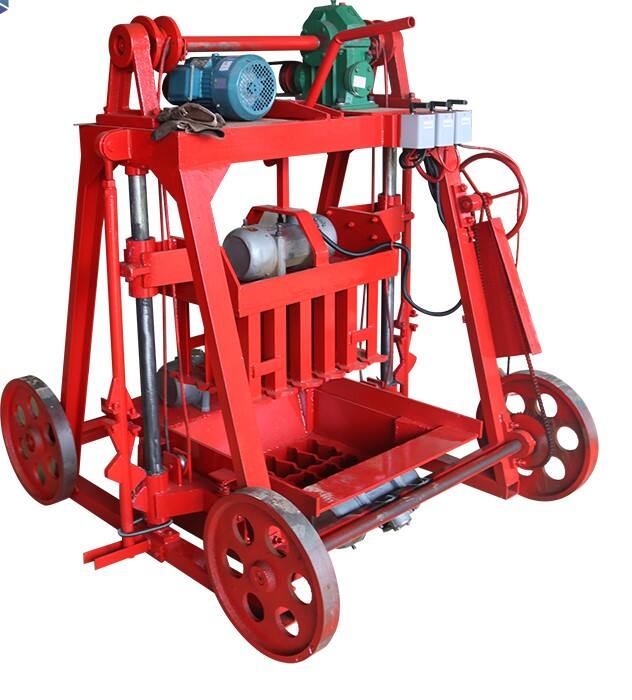
Hydraulic Press Systems and Sub-Millimeter Dimensional Control
The latest generation of cement block makers relies on servo controlled hydraulics to get those measurements spot on, down to about half a millimeter or so. These machines come equipped with pressure sensors that work in real time along with feedback loops that constantly tweak how much force gets applied during compression. This helps compensate when there are variations in the aggregates used, which keeps all blocks looking pretty much the same size and shape. Getting rid of these dimensional issues actually cuts down on wasted materials quite a bit too. Studies suggest around 18 percent less waste compared to older methods. And speaking of materials, these systems also cut back on cement usage by somewhere between nine and fourteen percent per individual block without compromising strength or quality. That kind of efficiency makes a big difference over time.
Defect Rate Reduction: From 2.1% to Under 0.00034% (3.4 DPMO)
When automated tolerance control gets implemented, it cuts defect rates dramatically from the usual 2.1% all the way down to just 0.00034%, which is about 3.4 defects per million opportunities according to Six Sigma standards. This happens because we embed statistical process control (SPC) right into our PLC systems. What does SPC actually do? Well, it keeps a constant eye on things like how often vibrations occur, what level of moisture is present, and when compression takes place during production runs. This helps ensure every batch comes out consistent without those annoying quality issues. Take a factory making around 20,000 concrete blocks each day as an example. With these improvements, they end up avoiding roughly 420 bad units every week. That means saving about 2.8 tons worth of cement too! Looking at numbers, this translates into nearly 99% efficient use of materials while cutting production costs between 15% to 22% simply because there's so much less need for fixing mistakes or throwing away waste products.
Automation & Throughput: Scaling Output Without Compromising Efficiency
Output Comparison: Manual vs. Semi-Automatic vs. Fully Automatic Cement Block Making Machine Models
When it comes to production volume, automation really shines without compromising on quality or how fast things get done. Let's look at the numbers first. Manual block making typically produces around 80 to maybe 120 blocks per hour, but there are often issues with inconsistent density and waste can climb up to about 8%. Now semi-automatic equipment bumps this up quite a bit, getting somewhere between 400 and 600 blocks an hour thanks to those timed vibration cycles during manufacturing. Waste drops down to roughly 3% to 4% with these models. The real game changers though are fully automatic cement block makers. These bad boys can crank out anywhere from 1,200 all the way up to 2,500 blocks every hour because they have conveyor belts built right in and computer controlled systems managing everything from mixing materials to compacting them and even controlling the curing process. What does this mean practically? Waste goes below 1.5% most of the time, and each block ends up pretty much exactly the same size and density as the ones before it.
PLC-Driven Cycle Optimization: Case Study from a Leading Manufacturer
A factory in Tancheng County recently made some major improvements to their automated production lines through cycle analysis powered by PLC systems. Their engineering team managed to cut down the time it takes to fill molds by around 22%, while also reducing vibrations by about 15%. Best part? The blocks coming off the line are just as strong as before. These changes knocked energy consumption down by nearly 18% and brought material waste down to an impressive 0.9%. By keeping a close eye on the mix ratios of cement, sand, and water in real time, they stopped wasting so much material. This has kept roughly 74 tons of cement out of landfills each year. What this shows is that smart automation doesn't just boost production speeds—it actually helps companies save money while being better for the environment at the same time.
Smart Batching Integration: Real-Time Calibration to Eliminate Over-Batching Waste
Weighing sensors that work digitally cut down on extra materials wasted during batching operations. These systems measure ingredients like sand, cement, water and various additives as they go along, then tweak how much gets fed into the mix to keep everything balanced just right. The way these sensors constantly recalibrate themselves stops those volume mistakes that happen so often with manual methods. Plants report cutting their material waste by around half thanks to this technology. Looking at industry numbers, many medium sized facilities save tens of thousands each year simply by getting their measurements spot on. Behind the scenes, programmable logic controllers compare what's actually being weighed against what should be there in split seconds. When something goes off track beyond certain limits, the system kicks in to fix it before anything happens. This means batches consistently hit their density targets without sending excess material to landfills or recycling centers where it doesn't belong.
Digital Weighing Sensors and Dynamic Cement-Sand-Water Ratio Locking
Load cells with high resolution can measure with about 0.5% accuracy, spotting differences down to just 200 grams in every ton of mix. Keeping moisture levels right around 7 to 12 percent by weight becomes possible with this kind of precision, which matters a lot for making strong durable blocks. When there's too much cement added beyond the 3% mark, the sand feeders kick in automatically to correct things. The whole setup helps prevent problems from aggregate settling that would otherwise weaken structures. Looking at actual numbers over 300 days of operation, these accurate measurements save approximately 1.2 tons of wasted cement for every batch of 100,000 blocks produced, which makes a real difference on the bottom line for manufacturers.
Dual-Benefit Features: How Vibratory Compaction and Mold Design Optimize Both Density and Yield
Vibratory compaction systems work by creating those high frequency vibrations between 8 and 12 kilohertz that basically shake out all the air pockets from materials. The result? Material density goes up around 22% when compared to regular static compaction techniques. When materials get denser like this, they become stronger under compression forces and much less porous too something really important if products need to last in harsh conditions over time. The molds themselves are pretty sophisticated as well. They're engineered with just the right draft angles so parts can come out smoothly, plus special non stick coatings that stop stuff from getting stuck during removal. These combined improvements mean breakages happen less than once every thousand units produced, and dimensions stay within half a millimeter accuracy most of the time. Manufacturers who synchronize their vibration settings properly with how the mold releases finished products typically see yields above 95% per production run without compromising on quality or uniformity across batches.
FAQ Section
What is the advantage of using hydraulic press systems in cement block making?
Hydraulic press systems allow for precise measurement and control down to half a millimeter, reducing dimensional issues and cutting down on material waste and cement usage without compromising quality.
How does automation impact defect rates in cement block manufacturing?
Automation, particularly with the use of statistical process control, can reduce defect rates significantly from 2.1% to just 0.00034%, corresponding to 3.4 defects per million opportunities.
What benefits do fully automatic cement block makers provide over manual or semi-automatic ones?
Fully automatic models can produce significantly more blocks per hour with lower waste rates, achieving better consistency and density compared to manual or semi-automatic models.
How does smart batching integration improve efficiency in cement block manufacturing?
Smart batching with digital weighing sensors reduces material waste by ensuring accurate ingredient measurements and avoiding over-batching, enhancing both efficiency and cost-effectiveness.
What role do vibratory compaction systems play in improving block quality?
Vibratory compaction removes air pockets and increases material density, resulting in stronger, less porous blocks while reducing breakages and maintaining dimensional accuracy.
Table of Contents
- Precision Engineering of Cement Block Making Machine: Tight Tolerances That Minimize Material Waste
- Automation & Throughput: Scaling Output Without Compromising Efficiency
- Smart Batching Integration: Real-Time Calibration to Eliminate Over-Batching Waste
-
Dual-Benefit Features: How Vibratory Compaction and Mold Design Optimize Both Density and Yield
- FAQ Section
- What is the advantage of using hydraulic press systems in cement block making?
- How does automation impact defect rates in cement block manufacturing?
- What benefits do fully automatic cement block makers provide over manual or semi-automatic ones?
- How does smart batching integration improve efficiency in cement block manufacturing?
- What role do vibratory compaction systems play in improving block quality?