
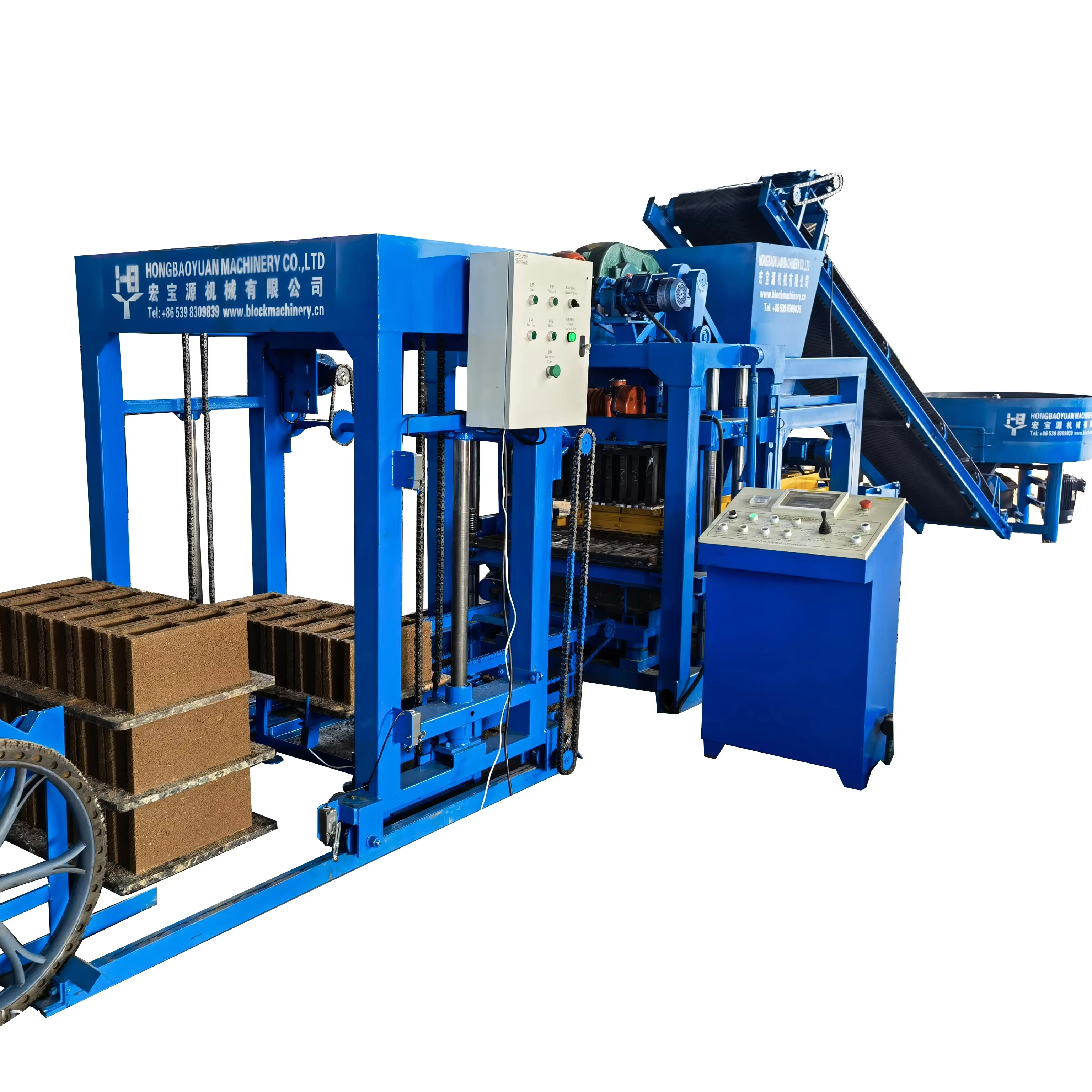
Ինչպե՞ս Ավտոմատ բետոնե խոյակների արտադրման սարքավորումներ Կրճատել արտադրության ցիկլի տևողությունը
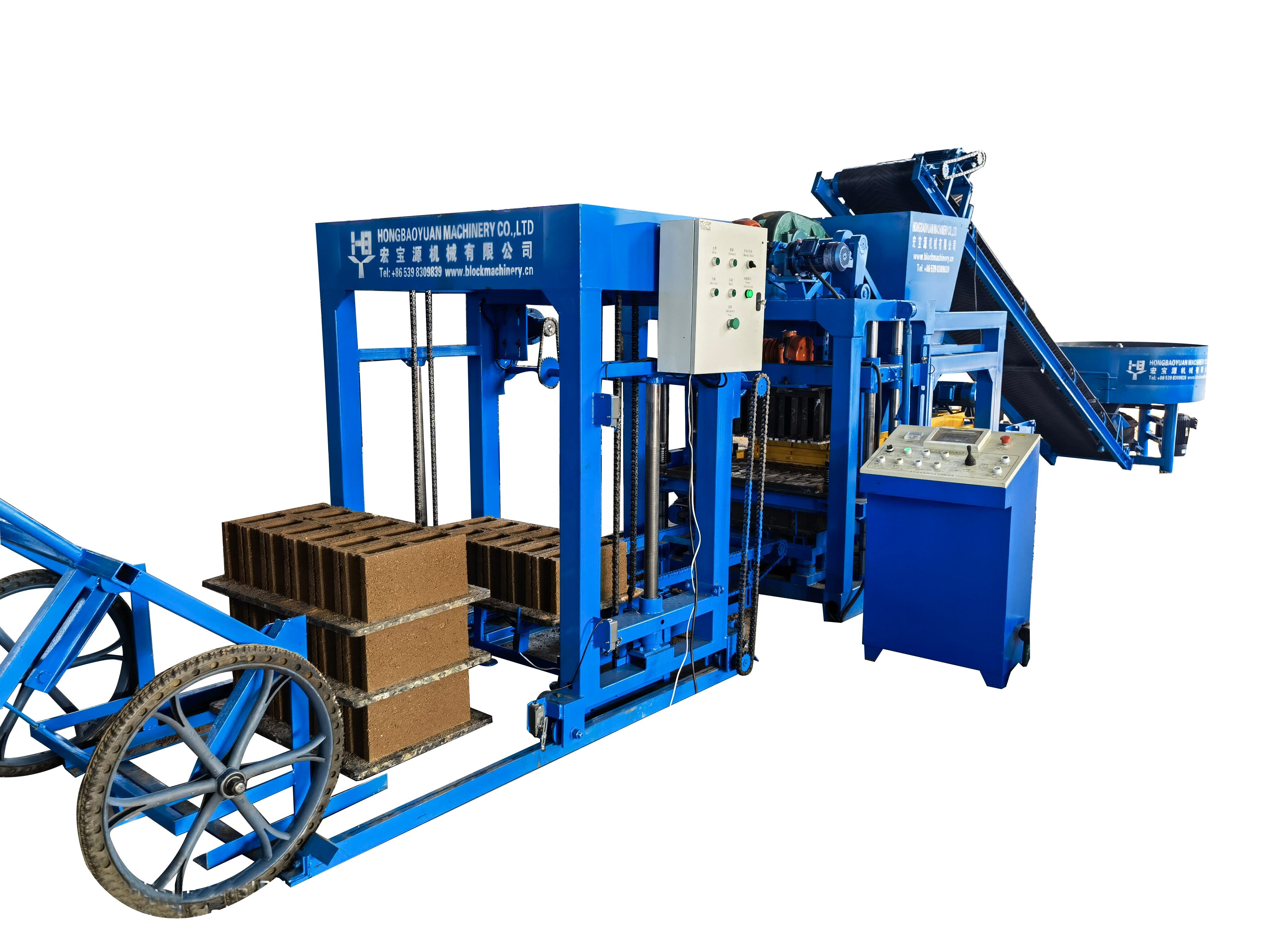
Ավտոմատացված խմորում, ձուլում և հասունացում. վերացնում է ձեռքով փոխանցումներն ու անօգտագործ ժամանակը
Ժամանակակից ավտոմատ բետոնե խոյակների արտադրման սարքավորումները խմորումը, ձուլումը և հասունացումը միավորում են մեկ անընդհատ աշխատանքային հոսքի մեջ՝ վերացնելով ձեռքով փոխադրումները, սպասման փուլերը և մարդկային համակարգման ուշացումները: Այս ինտեգրումը՝
- Նվազեցնում է նյութերի փոխադրման ուշացումները 80%-ով՝ համեմատած ձեռքով կատարվող գործընթացների հետ
- Ապահովում է հասունացման համասեռությունը կլիմայի վերահսկողությամբ ունեցող խցերի միջոցով՝ նվազեցնելով մեկ միլիոն բլոկի վրա մերժման դեպքերի քանակը 3,4-ի (Ponemon Institute, 2023)
- Կրճատում է աշխատակազմի անհրաժեշտությունը ընդամենը 3-5 օպերատորի՝ փոխարինելով 12-15 աշխատողի և նվազեցնելով չափագրական սխալները 22%-ով
Արդյունքում ստացվում է 20-25 վայրկյան տևողությամբ արտադրական ցիկլ յուրաքանչյուր բլոկի համար, որը թույլատրում է ժամային արտադրողականություն՝ գերազանցելով 1,500 միավորը:
Գործընթացի իրական ժամանակում հսկում և հարմարվող կառավարում՝ անընդհատ շահագործման համար
Ծրագրավորվող տրամաբանական կառավարիչներ (PLC)՝ ներդրված սենսորներով, իրական ժամանակում հսկում են նյութի խտությունը, թրթռման ինտենսիվությունը և հիդրավլիկ ճնշումը: Երբ առաջանում են շեղումներ.
- Ինքնաշտկվող ալգորիթմները 0.5 վայրկյանի ընթացքում կարգավորում են թրթռման հաճախականությունը՝ օդային պարկերի առաջացումը կանխելու և խտացման ամբողջականությունն ապահովելու համար
- Կանխատեսող սպասարկման զգուշացումները 72+ ժամ առաջ նույնականացնում են մասերի մաշվածությունը՝ նվազագույնի հասցնելով անսպասելի դադարները
- Սեխացման ռեշկերում գտնվող խոնավության սենսորները ավտոմատ ձևով կարգավորում են խոնավության մակարդակը՝ օպտիմալ հիդրացվածությունն ապահովելու համար
Այս փակ կառավարման համակարգը 40%-ով կրճատում է անսպասելի դադարները և 10-20%-ով բարելավում է թրուփութը, թույլատրելով հուսալի անընդհատ շահագործում՝ անկախ շրջակա միջավայրի ջերմաստիճանից կամ խոնավությունից:
Արտադրողականության մասշտաբավորում՝ առանց աշխատանքային ուժի կամ տարածքի մասշտաբավորման
Օրական 800-ից մինչև 12,000 հատ՝ բարձր ծավալային հաստատունություն հերթափոխների և եղանակային պայմանների ընթացքում
Բետոնե վանդակների արտադրող մեքենաները այժմ օրական արտադրում են 800-ից մինչև մոտ 12 հազար վանդակ՝ առանց լրացուցիչ աշխատողների կամ գործարանային տարածքի ընդլայնման կարիքի: Այս մեքենաների օրվա ընթացքում բազմաշարժային աշխատանքը օգնում է խուսափել արտադրողականության անհարմար անկումներից, երբ մեկ աշխատանքային խումբը փոխանցում է աշխատանքը մյուսին: Ավելին, դրանք հուսալի կերպով աշխատում են՝ անկախ այն ամենից, թե ինչ եղանակ է տիրում բնության մեջ՝ այն սանձազերծ տաք օրեր լինեն, սառնամանիքային ջերմաստիճաններ, կամ նույնիսկ սանձազերծ անձրևներ, ինչը շատ կարևոր է շինարարական նախագծերի ժամանակին իրականացման համար: Նյութերի շարժման ճանապարհը այս համակարգերում ճշգրտվել է, որպեսզի վանդակները ավելի արագ հասունանան, ինչը նշանակում է, որ արտադրողները իրենց առկա համակարգերից շատ ավելի շատ են ստանում: Չափերի ճշգրտության տեսանկյունից, ժամանակակից մեքենաների մեծամասնությունը շեղումները պահում է կես տոկոսից պակաս, իսկ շեղումը կազմում է մոտ 1,5 միլիմետր երկու ուղղությամբ: Սա նվազեցնում է սխալները հետագայում ուղղելու համար կորցրած ժամանակը: Տնօրենները նշում են, որ կարողանում են արտադրողականությունը եռապատկել՝ ընդամենը երեքից մինչև հինգ մարդ ներգրավելով՝ ավանդական տասնհինգ մարդուց կազմված թիմի փոխարեն: Սա ոչ միայն արագացնում է հիմնական փուլերը, այլ նաև ընդհանուր առմամբ զգալիորեն նվազեցնում է աշխատավարձի և ընդհանուր շահագործման ծախսերը:
Մարդկային պատճառներով հետաձգումների նվազեցում. աշխատանքի արդյունավետություն եւ որակի հետեւողականություն
Ավտոմատացումը հիմունքորեն վերափոխում է աշխատանքային դինամիկան բլոկային արտադրության մեջ: Այնտեղ, որտեղ սովորական մեթոդները 12-15 աշխատակիցների վրա են հիմնվում խառնելու, ձեւավորման, կուտակման եւ ամրացման համար, ավտոմատացված համակարգերը հասնում են նույնական կամ գերազանց արդյունքի ընդամենը 3-5 օպերատորների օգնությամբ: Աշխատանքային հզորության 70%-ով կրճատումը անմիջապես վերացնում է շերտերի փոփոխությունների, հոգնածության հետ կապված դանդաղման եւ անհամապատասխան տեխնիկայի հետ կապված խոչընդոտները:
3-5 օպերատորներ փոխարինում են 12-15 աշխատողին 22%-ով ավելի քիչ չափման սխալներով եւ հետաձգված վերապատրաստումներով
Երբ մենք խոսում ենք ճշգրտության խմբաքանակի մասին, միավորված սերվո-կառավարվող ցնցումների եւ հետեւողական հիդրավլիկ ճնշման հետ, մենք իրականում նկատի ունենք բոլոր այն պատահական անհամապատասխանությունները, որոնք առաջանում են ձեռքով գործերի կատարման հետ: Ըստ անցյալ տարի շինանյութերի ամսագրերում հրապարակված մի քանի հետազոտությունների, այս տեսակ ստանդարտացված մոտեցումը նվազեցնում է չափերի սխալները մոտ 22 տոկոսով: Եվ երբ սկզբում սխալները քիչ են, ապա դրանք ավելի ուշ ուղղելու կարիք չկա: Դա մեծ տարբերություն է, քանի որ ավանդաբար երբ որակի հետ կապված խնդիրներ առաջանում էին, նախագծերը կատաղում էին 9-14 օր, մինչ նրանք վերացնում էին իրերը, նոր բաղադրիչներ պատրաստում, եւ հետո ամեն ինչ նորից ստուգում էին: Պահպանելով չափերը մլն-մլն-մլն-մլն-մլն-մլն-մլն-մլն-մլն-մլն-մլն-մլն-մլն-մլն-մլն-մլն-մլն-մլն- Բացի այդ, դա հնարավորություն է տալիս փորձառու աշխատողներին կենտրոնանալ ավելի կարեւոր աշխատանքների վրա, փոխարենը անընդհատ ուղղելու ավելի վաղ փուլերի սխալները:
Մեքենայի կատարողականը կանխատեսելի ժամանակացույցի շահույթ դարձնելը
Ժամանակային գծի ազդեցության քանակավորումը. Ինչպես 18% ավելի արագ բլոկի առաքումը 9-12 օրով սեղմում է հիմքի-մինչեւ-բլաբ փուլը
Ավտոմատ բետոնային բլոկների մեքենաները բարձրացնում են բլոկների մատչելիությունը մոտ 18 տոկոսով, հիմնականում այն պատճառով, որ դրանք անընդհատ աշխատում են, մշտապես արտադրում են լավ որակի բլոկներ եւ չեն սպառվում նյութերը նախագծի կեսերին: Կառուցարարները նույնպես իրական արդյունքներ են տեսել: Հիմնադրամների տեղադրման եւ սլաբների թափման միջեւ ընկած ժամանակը կրճատվում է 9-12 օրվա ընթացքում, ըստ CII- ի արդյունաբերության փորձագետների կողմից վերահսկվող տարբեր շինարարական վայրերի ուսումնասիրությունների: Երբ բլոկները գալիս են ճիշտ այն ժամանակ, երբ անհրաժեշտ է եւ համապատասխանում են բոլոր բնութագրերին, դա մեծ տարբերություն է ստեղծում նախագծի ժամանակացույցի եւ բյուջեի վերահսկողության համար:
- Աշխատանքային ուժերը կարող են ավելի վաղ վերաբաշխվել վերակառուցվածքների աշխատանքների վրա:
- Հիմնադրամների համար շփման ժամանակը կրճատվում էնվազում է եղանակային պայմանների հետ կապված ռիսկը
- Սարքավորումների վարձակալության ժամկետները կրճատվել են 15-20%-ով
Այս արդյունավետությունը մեքենայի մակարդակի կատարողականը փոխակերպում է օրացույցային վստահության մեջ, նվազեցնելով շինարարության մեջ ժամանակացույցի գերազանցման ամենատարածված աղբյուրներից մեկը:
Հաճախ տրամադրվող հարցեր
Որքա՞ն է ավտոմատ բետոնային բլոկներ պատրաստող մեքենաների արտադրության մակարդակը:
Ավտոմատ մեքենաները կարող են արտադրել օրական 800-ից մինչեւ 12 000 հատված, կախված մոդելից եւ գործառման ժամանակացույցից:
Քանի՞ օպերատոր է անհրաժեշտ ավտոմատացված բլոկներ պատրաստող մեքենաների համար:
Ավտոմատացված համակարգերը սովորաբար պահանջում են ընդամենը 3-5 օպերատոր, համեմատած ավանդական 12-15 աշխատակիցների հետ:
Որո՞նք են ավտոմատ բետոնային բլոկների մեքենաների օգտագործման առավելությունները:
Նրանք նվազեցնում են մարդկային հետաձգումները, բարելավում են հետեւողականությունը, օպտիմալացնում են աշխատանքի արդյունավետությունը եւ զգալիորեն բարձրացնում արտադրության մակարդակը եւ ժամանակացույցի հուսալիությունը:
Բովանդակության աղյուսակ
- Ինչպե՞ս Ավտոմատ բետոնե խոյակների արտադրման սարքավորումներ Կրճատել արտադրության ցիկլի տևողությունը
- Արտադրողականության մասշտաբավորում՝ առանց աշխատանքային ուժի կամ տարածքի մասշտաբավորման
- Մարդկային պատճառներով հետաձգումների նվազեցում. աշխատանքի արդյունավետություն եւ որակի հետեւողականություն
- Մեքենայի կատարողականը կանխատեսելի ժամանակացույցի շահույթ դարձնելը
- Հաճախ տրամադրվող հարցեր